
Blog & News

Best Practice
Schritt-für-Schritt: So erstellst du ein Webportal, das 2026 wirklich funktioniert
Ein Webportal zu erstellen, ist heute längst kein Projekt mehr, das nur Entwickler:innen oder IT-Teams beschäftigt. Unternehmen jeder Größe stehen unter Druck, ihren Stakeholdern einen zentralen Ort für Ressourcen, Zusammenarbeit und Kommunikation bereitzustellen. Die Anforderungen sind klar: schnelle, einfache und flexible digitale Lösungen.Eine No-Code-Plattform wie LoftOS ermöglicht es dir zum Beispiel, Portale zu entwerfen, zu starten und zu verwalten – ganz ohne eine einzige Zeile Code zu schreiben. In dieser Anleitung erfährst du, was ein Webportal ist, wie es funktioniert, welche Kernfunktionen es bietet und welche konkreten Schritte es braucht, um 2026 effizient dein eigenes Portal aufzubauen.Am Ende weißt du, wie du die richtigen Tools auswählst, typische Fehler vermeidest und ein Portal schaffst, das reibungslose Nutzererfahrung bietet und langfristigen Mehrwert liefert.Key TakeawaysErstelle dein Webportal smart: Wähle eine No-Code-Plattform, definiere deine Zielgruppe und strukturiere den Zugriff über Benutzerrollen und Berechtigungen.Setze früh auf gute Usability: Eine klare visuelle Hierarchie, eine intuitive Navigationsleiste und eine schnelle Suchfunktion fördern die Akzeptanz.Liefere Mehrwert in Wochen, nicht in Quartalen: Starte schlank und erweitere dein Portal später mit Reporting & Analytics, Integrationen und kontinuierlicher Weiterentwicklung.Minimiere Risiken: Führe dein Portal schrittweise ein, teste intern und konzentriere dich auf echte Nutzererlebnisse.Was ist ein Webportal?Ein Webportal ist eine zentrale Online-Plattform, die Informationen, Tools und Services an einem Ort bündelt. Es dient als sicherer Einstiegspunkt für Nutzer:innen und bietet personalisierte Inhalte, vereinfachte Kommunikation sowie Funktionen, die auf bestimmte Bedürfnisse, wie etwa Wissensaustausch, Networking oder Ressourcenmanagement, zugeschnitten sind.Wie funktioniert ein Webportal genau?Ein Webportal authentifiziert Nutzergruppen, verwaltet ihre Zugriffsrechte und stellt Inhalte oder Tools basierend auf ihrem Profil bereit. Funktionen wie Navigationsleiste, Suchfeld und rollenbasierte Authentifizierung sorgen dafür, dass jede Person nur für sie relevante Informationen sieht.Administrator:innen können Ressourcen organisieren, Nutzergruppen verwalten und Aktivitäten über Reporting- und Analysefunktionen einsehen. Endnutzer:innen profitieren von einer strukturierten, intuitiven Benutzeroberfläche.Arten von WebportalenWebportale erfüllen je nach Zielgruppe und Zweck ganz unterschiedliche Aufgaben. Hier sind die gängigsten Typen:Mitarbeiterportale: Zentraler Zugriff auf interne Dokumente, HR-Tools und Workflows.Kundenportale: Geschützte Bereiche, in denen Kund:innen Konten verwalten, Bestellungen nachverfolgen oder Support anfordern können.Klientenportale: Häufig in Dienstleistungsunternehmen im Einsatz, um Ressourcen, Projekt-Updates und Abrechnungen zu teilen.Partnerportale: Kollaborationsplattformen für Lieferanten, Wiederverkäufer oder Geschäftspartner.Wissensportale: Strukturierte Bibliotheken zum Teilen von Dokumenten, Schulungsinhalten und Forschungsergebnissen.E-Learning-Portale: Online-Plattformen für Kurse, Tests und Zertifizierungen – vergleichbar mit einem Learning-Management-System. Schau dir unsere Vorlagen für E-Learning-Software an und starte direkt kostenlos durch!Moderne Plattformen wie LoftOS sind flexibel genug, um all diese Anwendungsfälle abzudecken. So können Organisationen ihre verschiedenen Anforderungen in einem einzigen digitalen Raum bündeln.Zentrale Funktionen eines WebportalsDamit ein Webportal wirklich effektiv ist, sollte es über Kernfunktionen verfügen, die Effizienz, Sicherheit und Benutzerfreundlichkeit erhöhen:Dashboard & Reporting/Analytics: Leistungskennzahlen, Aktivitäten und KPIs auf einen Blick verfolgen.Suchfeld & Navigationsleiste: User finden Ressourcen schnell über intuitive Menüs und Filter.Content-Management-System (CMS): Seiten einfach und ganz ohne technisches Know-how erstellen, bearbeiten und organisieren.Benutzerauthentifizierung & Rollen-/Rechteverwaltung: Sicherer Zugriff durch rollenbasierte Steuerung und, falls nötig, Single Sign-on.Personalisierung & User Experience: Inhalte und Layouts an individuelle Bedürfnisse anpassen, mit klarer visueller Hierarchie.Aufgaben- und Prozessmanagement: Abläufe wie Freigaben, Einreichungen oder Event-Anmeldungen vereinfachen.Integrationsoptionen: Unterstützung für Dateiuploads, Zahlungsabwicklung und Anbindungen an bestehende Tools.Jede dieser Funktionen trägt dazu bei, ein Portal zu schaffen, das nicht nur zuverlässig funktioniert, sondern auch mit den Bedürfnissen der Organisation wächst. So hilft es dir langfristig bei einem erfolgreichen Community-Aufbau.Schritt-für-Schritt-Anleitung: So erstellst du ein WebportalEin Webportal zu erstellen, ist ein strukturierter Prozess. Jeder Schritt zählt: Von der Wahl der richtigen Technologie bis zur Feinabstimmung der Benutzerzugriffe. Wenn du die folgenden Phasen systematisch angehst, legst du ein stabiles Fundament für dein Portal.Schritt 1: Wähle deinen EntwicklungsansatzDie erste Entscheidung lautet: Eigenentwicklung oder No-Code-Plattform?Individuell entwickelte Portale sind oft teuer und zeitaufwendig, während No-Code-Tools schneller, flexibler und ohne IT-Abteilung umsetzbar sind.LoftOS ist eine vielseitige Lösung, die sich sowohl als Portal-Software als auch für viele andere Anwendungsfälle eignet. Du kannst damit zum Beispiel ein sicheres Kundenportal oder eine umfassende Community-Plattform aufbauen, ganz ohne technischen Aufwand.Wenn dein Unternehmen noch zwischen verschiedenen Optionen schwankt, empfehlen wir unseren Leitfaden zur Webportal-Software. Im Anschluss kannst du deine Wahl mit einer klaren Community-Strategie abstimmen, um langfristigen Erfolg sicherzustellen.Schritt 2: Zweck und Zielgruppe definierenBevor du mit dem Design beginnst, kläre das Ziel deines Portals. Soll es für Mitarbeitende, Kund:innen oder Partner:innen gedacht sein? Jede Zielgruppe hat eigene Erwartungen.Ein Learning-Management-System unterstützt zum Beispiel Online-Trainings, während ein Kundenportal Zusammenarbeit und Dokumentenaustausch ermöglichen muss.Wenn du früh deine Hauptzielgruppe festlegst, vermeidest du unnötige Feature-Ausweitungen („Scope Creep“) und stellst sicher, dass dein Portal genau auf die Nutzerbedürfnisse zugeschnitten ist. Falls du dir unsicher bist, hilft dir dieser Artikel über Community-Website-Builder, der zeigt, wie zweckorientierte Portale unterschiedliche Stakeholder effektiv unterstützen können.Schritt 3: Struktur und Rollen planenSobald der Zweck klar ist, geht es an die Struktur des Portals. Lege logische Bereiche an, etwa für Wissen, Events oder Workflows, und definiere Benutzerrollen und Zugriffsrechte, um zu steuern, wer was sehen darf.Gerade hier spielt LoftOS seine Stärken aus: Besonders für Organisationen, die langfristig eine digitale Infrastruktur aufbauen oder eine digitale Plattformstrategie entwickeln wollen. Du kannst Nutzergruppen organisieren, Zugriffe nach Rollen anpassen und sogar Mitgliedschaften mit gestaffelter Sichtbarkeit monetarisieren. Das Ergebnis: ein sicheres, skalierbares und nachhaltiges Webportal.Schritt 4: User Experience (UX) gestaltenEin gutes Design fördert die Plattform-Nutzung (hierzu mehr in unserem Community Engagement Plan).Ein durchdachtes Webportal hält Nutzer:innen aktiv und produktiv. Achte auf klare visuelle Hierarchie, ein einheitliches Interface-Design und intuitive Navigation. Diese Elemente sorgen dafür, dass Menschen schnell finden, was sie brauchen.Mit einer Plattform wie LoftOS kannst du flexible Layouts gestalten und sicherstellen, dass die UX auch bei unterschiedlichen Anwendungsfällen immer konsistent und angenehm bleibt.Schritt 5: Zentrale Funktionen und Tools integrierenDie richtige Mischung aus Features macht dein Portal nützlich, ohne es zu überladen. Zu den wichtigsten Bausteinen gehören Suchfeld, Reporting & Analytics, Aufgaben- und Prozessmanagement und ein einfaches Content-Management-System. Personalisierungsmöglichkeiten und eine sichere Benutzerauthentifizierung erhöhen sowohl Vertrauen als auch Benutzerfreundlichkeit.Schritt 6: Testen und optimieren (vor dem Launch)Gründliches Testen ist entscheidend, um ein zuverlässiges Portal bereitzustellen. Führe interne Tests durch, um Performance, Datenflüsse und Sicherheit zu prüfen. Implementiere Single Sign-on für einen reibungslosen Login und überprüfe Integrationen wie Zahlungsschnittstellen oder Datei-Uploads.LoftOS bietet hier flexible Integrationsmöglichkeiten, die diese Anforderungen ohne zusätzlichen Entwicklungsaufwand unterstützen.Um zu erfahren, wie Testing in ein größeres Digitalprojekt eingebettet ist, schau auch in unseren Leitfaden „Wie man eine Web-App erstellt“.Schritt 7: Launch und kontinuierliche VerbesserungDer Launch ist erst der Anfang. Sorge für eine klare Onboarding-Phase und Support-Kanäle, damit Nutzer:innen das Portal sicher annehmen. Baue gleichzeitig eine aktive Community rund um dein Produkt auf. Über Reporting und Analytics kannst du das Engagement messen und das Portal fortlaufend verbessern, etwa durch optimierte Features oder modernisierte Workflows.Mit LoftOS bleibt dein Portal flexibel: Es unterstützt kontinuierliche Software-Modernisierung, ohne dass du komplexe IT-Projekte starten musst.Kosten für den Aufbau eines WebportalsDie Kosten für ein Webportal liegen 2026 typischerweise zwischen 5.000 $ und über 150.000 $, abhängig von Umfang und Komplexität. Kleinere Portale mit wenigen Rollen und Basisfunktionen bewegen sich am unteren Ende, während Enterprise-Portale mit mehreren Integrationen, erweiterter Sicherheit und großen Nutzerzahlen deutlich teurer ausfallen.Kostenschätzungen nach Komplexität:Einfaches Portal: 5.000–15.000 $ (wenige Rollen, schlichtes Design, limitierte Features)Mittlere Komplexität: 15.000–50.000 $ (individuelles UI, Zahlungs- oder Datei-Integrationen, mittleres Traffic-Volumen)Enterprise-Niveau: 50.000–150.000 $+ (erweiterte Sicherheit, SSO, mehrere Integrationen, hohe Skalierbarkeit)Kostenfaktoren im Überblick:Funktionen und Features: Erweiterte Tools wie Reporting & Analytics, Aufgabenmanagement oder SSO erhöhen die Komplexität.Design und Benutzerfreundlichkeit: Individuelle Layouts, klare visuelle Hierarchien und Unterstützung verschiedener Endgeräte.Team und Expertise: Senior-Entwickler:innen oder spezialisierte Agenturen verursachen höhere Kosten.Integrationen: Zahlungsabwicklung, Datei-Uploads oder API-Anbindungen.Testing und Compliance: Sicherheitstests, Datenschutzanforderungen und interne Qualitätsprüfungen.Laufende Wartung: Hosting, Updates und kontinuierliche Software-Modernisierung.Profi-Tip: Wenn du Kosten und Entwicklungszeit reduzieren möchtest, ohne Abstriche bei der Qualität zu machen, starte mit einer No-Code-Lösung wie LoftOS. Damit deckst du alle zentralen Anforderungen ab (Rollen, Berechtigungen, Analytics, Integrationen) und vermeidest teure Eigenentwicklungen oder langwierige Projektphasen.Die häufigsten Herausforderungen & wie du sie meisterstSelbst die besten Webportal-Projekte stoßen manchmal auf Hürden. Der Schlüssel zum Erfolg liegt darin, typische Probleme frühzeitig zu erkennen und klare Strategien zu haben, um sie gezielt zu lösen. Hier sind vier der häufigsten Herausforderungen – inklusive praktischer Lösungsansätze.Herausforderung 1: Sicherheit & DatenschutzEin Portal ohne starke Sicherheitsmaßnahmen wird kein Vertrauen schaffen. Setze daher auf robuste Authentifizierung, rollenbasierte Zugriffssteuerung und Single Sign-on (SSO). So schützt du Nutzerdaten effektiv und erfüllst gleichzeitig Compliance-Anforderungen deiner Branche. Wenn du tiefer in das Thema sichere digitale Systeme einsteigen möchtest, wirf einen Blick in unseren Leitfaden zum Technologie-Ökosystem.Herausforderung 2: Skalierbarkeit & PerformanceEin Portal, das unter hoher Nutzung langsam wird oder abstürzt, wird schnell zum Problem. Plane von Anfang an mit modularer Architektur und internen Lasttests, um Wachstum zu ermöglichen. Regelmäßige Updates und eine kontinuierliche Software-Modernisierung sorgen langfristig für stabile Performance. Mehr dazu, wie du Plattform-Erfolg messen und verbessern kannst, erfährst du auch in unserem Beitrag zu Community Engagement Metrics.Herausforderung 3: NutzerakzeptanzSelbst das funktionsreichste Portal scheitert, wenn es niemand nutzt. Eine reibungslose User Experience, klare visuelle Strukturen und ein einfaches Onboarding erhöhen die Akzeptanz deutlich.Die Nutzung steigt, wenn Nutzer:innen schnell echten Mehrwert erleben. Praktische Strategien zur Steigerung der Nutzung findest du in unserem Artikel über Mitglieder-Engagement.Herausforderung 4: Komplexe IntegrationenNicht verbundene Systeme kosten Zeit – und frustrieren Nutzer:innen. Plane deine Integrationen sorgfältig, mit Fokus auf zentrale Bereiche wie Reporting & Analytics, Aufgabenmanagement und Drittanbieter-Apps.Teste alle Verbindungen gründlich vor dem Launch, um böse Überraschungen zu vermeiden. Wie integrierte Aktivitäten Portale stärken, zeigt unser Beitrag zu Community Engagement Activities.Zeitplan für den Aufbau eines WebportalsFür den vollständigen Aufbau eines Webportals solltest du 2026 in der Regel 4 bis 7 Monate einplanen – von der Planung bis zum Launch –, vorausgesetzt, es handelt sich um ein mittelkomplexes Projekt. Einfachere Portale können deutlich schneller umgesetzt werden, während komplexe Plattformen mit umfangreichen Integrationen und hohen Sicherheitsanforderungen durchaus mehr Zeit beanspruchen. Im Folgenden findest du maßgebliche Faktoren, die bestimmen, wie lange dein Projekt wirklich dauert.Faktoren, die den Zeitplan beeinflussen:Umfang & Komplexität: Anzahl der Funktionen, Workflows und individueller Module.Design & UX: Individuelle Layouts, responsives Design und Benutzeroberfläche.Integrationsbedarf: Anbindung externer Systeme, APIs und Drittanbieter-Tools.Testing & QA: Interne Testzyklen, Performance- und Sicherheitsprüfungen.Teamgröße & Erfahrung: Anzahl der Beteiligten, Qualifikationsniveau, Verfügbarkeit.Feedback & Iteration: Überarbeitungen, Freigaben und eventuelle Verzögerungen im Abstimmungsprozess.Geschätzter Zeitrahmen nach Komplexität:Einfaches Portal: ca. 2–4 MonateMittlere Komplexität: ca. 4–7 MonateEnterprise / Fortgeschritten: ca. 7–12+ MonateSetze auf einen modularen und iterativen Ansatz: Starte mit einer Kernversion und erweitere dein Portal anschließend phasenweise um zusätzliche Funktionen. Ein flexibles Tool wie LoftOS unterstützt dich dabei, zukünftige Entwicklungszyklen deutlich zu verkürzen.Beispiele für WebportaleWebportale gibt es in vielen Formen und Größen, jeweils zugeschnitten auf die Zielgruppen, denen sie dienen. Einige wurden aufgebaut, um regionale Ökosysteme zu vernetzen, während andere als Zentren für Forschung und Lehre fungieren. Im Folgenden zeigen wir anhand von Beispielen, wie Organisationen ihre Lösungen mit LoftOS verwirklicht haben.Beispiel 1: Niedersachsen.next (Innomatch)Niedersachsen.next hat Innomatch als regionales Webportal aufgebaut, das Start-ups, Investor:innen und andere Akteur:innen miteinander verbindet. Die Plattform hat sich zu einem vollwertigen Ökosystem entwickelt – mit Tausenden Teilnehmenden bei ihren Veranstaltungen. Event-Module und das Ticketing-System von LoftOS hilft dem Team, Teilnehmende gezielt zu segmentieren und Ergebnisse mithilfe von Reporting- und Analytics-Funktionen auszuwerten. Lies die vollständige Innomatch-Fallstudie, um zu erfahren, wie sie ihre Community erfolgreich skaliert haben.Beispiel 2: RWTH Aachen (Collaeb)Die RWTH Aachen hat Collaeb als zentrale Plattform für Entrepreneurship entwickelt. Ihr Webportal vereint Mentor:innen, Forschende, Studierende und Partner:innen an einem Ort und bietet Kurse, Accelerator-Programme und Networking-Möglichkeiten. Mit LoftOS ermöglicht es ihnen, alle Inhalte zentral zu verwalten, Zusammenarbeit zu fördern und die Beteiligung stetig zu erhöhen. Erfahre in der Collaeb-Fallstudie mehr darüber, wie die Universität ein erfolgreiches Entrepreneurship-Programm aufgebaut hat.Starte noch heute mit deinem Webportal: Superleicht und Code-freiEin Webportal zu erstellen, muss heute weder langwierig noch teuer sein. Mit modernen No-Code-Plattformen kannst du schneller starten, Ideen testen und dein Portal je nach Bedarf mitwachsen lassen. LoftOS bietet Organisationen die nötige Flexibilität, um Portale für Communities, Bildungseinrichtungen oder Unternehmen zu konfigurieren, ganz ohne auf IT-Ressourcen angewiesen zu sein. Erfahre mehr darüber, wie du mit LoftOS schneller launchen kannst, entdecke Vor- und Nachteile von gekaufter vs. selbstgebauter Software oder starte direkt auf innoloft.com.

Best Practice
Was ist eine Digital Platform Strategy? Bedeutung & Umsetzung
Viele Organisationen haben Schwierigkeiten, digitale Initiativen zu skalieren, wenn kein klarer Plan existiert. Eine Digital Platform Strategy liefert genau hierfür die Roadmap: Sie definiert, wie Plattformen aufgebaut, gesteuert und skaliert werden, um erwünschte Geschäftsziele zu erreichen.Ohne eine solche Strategie bleiben Digitalprojekte oft auf der Strecke, sind teuer und nicht auf die Bedürfnisse der Nutzer:innen abgestimmt. In diesem Leitfaden erfährst du alles von den zentralen Definitionen über praktische Schritte bis hin zu Vorteilen, Herausforderungen und bewährten Best Practices. So erhältst du ein vollständiges Rahmenwerk, mit dem du fundiert und zielgerichtet handeln kannst.In diesem Guide erklären wir, was eine Digital Platform Strategy ist, warum sie wichtig ist und wie du sie Schritt für Schritt umsetzt.Key TakeawaysEine Digital Platform Strategy sorgt dafür, dass digitale Bemühungen mit den Geschäftszielen und messbaren Ergebnissen übereinstimmen.Sie verbindet zentrale Elemente, Plattformtechnologien, Governance und Daten mit Nutzerinteraktion, um die Akzeptanz zu fördern.Ein strukturiertes, schrittweises Vorgehen ermöglicht Organisationen den sicheren Weg von der Zieldefinition über den Launch eines Minimum Viable Product (MVP) bis hin zur skalierbaren Governance-Struktur.Vorteile sind dabei eine stärkere Nutzerbindung, wirtschaftlicher Mehrwert und nachhaltiges Wachstum im gesamten Plattform-Ökosystem und der Plattformökonomie.Herausforderungen wie geringe Nutzung oder fehlende Erfolgsmessung lassen sich durch klare Ziele, datenbasierte Analysen und strukturierte Engagement-Aktivitäten vermeiden.Was ist eine digitale Plattform?Eine digitale Plattform ist eine strukturierte Umgebung, die Nutzer:innen, Daten und Services an einem Ort miteinander verbindet. Sie verbessert die User Experience, indem sie Interaktionen, Transaktionen und Wissensaustausch ermöglicht. Beispiele sind E-Commerce-Plattformen, Enterprise-Plattformen oder Community-Hubs, die Zusammenarbeit und Wertschöpfung fördern.Was ist eine Digital Platform Strategy?Eine Digital Platform Strategy ist ein strukturierter Plan, der festlegt, wie eine Plattform entwickelt, verwaltet und erweitert werden kann, um die Ziele einer Organisation zu unterstützen. Sie bringt Plattformtechnologien, Governance und Prozesse in Einklang, um eine klare Wertschöpfung zu ermöglichen. So bleibt die Plattform anpassungsfähig, skalierbar und relevant in Märkten, die sich schnell verändern.Komponenten einer Digital Platform StrategyEine starke Strategie verbindet unternehmerische Ausrichtung mit technischer Umsetzung. Sie schafft Klarheit für Führungskräfte, IT-Teams und Plattform-Nutzer:innen und stellt sicher, dass Entscheidungen sowohl auf Leistungsfähigkeit als auch auf Nachhaltigkeit abzielen.Zentrale Bestandteile sind:Vision und Ziele: Definiere die Ergebnisse, die die Plattform erreichen soll, etwa Wachstum, Effizienz oder stärkere Einbindung.Governance-Modell: Lege Rollen, Richtlinien und Verantwortlichkeiten für das Plattformmanagement fest.Technology Infrastructure: Sorge für ein verlässliches Plattform-Ökosystem mit Integrationen, APIs und sicherem Datenmanagement. LoftOS bietet hier flexible Bausteine wie individuelle Module und Matchmaking-Tools.User Engagement: Konzentriere dich auf das Design der Digital Experience Platform, um intuitive und zugängliche Nutzererlebnisse zu schaffen.Daten & Analytics: Messe Aktivität, Leistung und Wirkung, um kontinuierliche Verbesserung zu erzielen.Skalierbarkeit & Anpassungsfähigkeit: Stelle sicher, dass das System eine steigende Anzahl an Nutzer:innen, neue Services oder ganze Unternehmensplattformen unterstützen kann, ohne Unterbrechungen.Schritt-für-Schritt-Anleitung zum Aufbau einer PlattformstrategieEine Digital Platform Strategy entfaltet nur dann Wirkung, wenn sie sich auch in der Praxis umsetzen lässt. Hier sind fünf Schritte, die zeigen, wie du von der Planung zu messbaren Ergebnissen gelangst.Schritt 1: Ziele und Mehrwerte definierenStarte mit einer klaren Definition dessen, was deine Plattform erreichen soll. Eine eindeutige Value Proposition gibt deinem Team Orientierung und setzt Erwartungen für alle Beteiligten. Mögliche Ziele sind stärkere Community-Bindung, schnellerer Wissensaustausch oder neue Umsatzquellen. Ohne klar formulierte Ziele riskierst du, dass alle weiteren Schritte ins Leere laufen.Schritt 2: Das Plattform-Ökosystem abbildenIdentifiziere, wer die Plattform nutzt und wie die Interaktionen ablaufen. Ein starkes Plattform-Ökosystem verbindet Mitglieder, Partner:innen und Stakeholder über eine intuitive Digital Experience Platform. Denk zum Beispiel beim Entwurf der Nutzergruppen an Admins, Beitragende und externe Partner. LoftOS bietet hilfreiche Bausteine wie Mitgliederverzeichnisse und Content-Bereiche, die diese Strukturierung vereinfachen. Sieh dir an, wie Community-Leads heute erfolgreich B2B-Communities aufbauen.Schritt 3: Ein Minimum Viable Product (MVP) entwickelnVermeide zu Beginn unnötige Komplexität: Starte mit einem MVP, um deine Annahmen mit einer kleineren Zielgruppe zu testen, bevor du skalierst. In der Plattformökonomie zählt Geschwindigkeit. Mit LoftOS können Organisationen Prototypen mit individuellen Modulen schnell umsetzen und so Engagement validieren, bevor große Budgets fließen. Mehr dazu findest du in unserem Leitfaden „Wie man Community-Frameworks aufbaut“.Schritt 4: Technologie und Governance implementierenDie Umsetzung hängt von der richtigen Technologie und Governance-Struktur ab. Definiere klare Regeln für Datennutzung, Datenschutz und Verantwortlichkeiten. Moderne Enterprise-Plattformen müssen Sicherheit und Benutzerfreundlichkeit in Balance halten. LoftOS vereinfacht diesen Prozess mit Drag-and-drop-Modulen, integrierten Event-Tools und sicherer Datenverarbeitung. Mehr dazu findest du in unserem Artikel über Technology Ecosystems.Schritt 5: Die Strategie skalieren und optimierenWenn das Fundament steht, richte den Fokus auf Wachstum und Weiterentwicklung. Das umfasst die Erweiterung der Nutzergruppen, die Optimierung von Funktionen und die Anpassung an größere Organisationsziele. Kontinuierliches Performance-Tracking ist entscheidend, um Entscheidungen zur Technologie datenbasiert zu treffen. Mit integrierten Analytics- und Engagement-Features unterstützt LoftOS das skalierte Wachstum digitaler Communities – ganz ohne großen IT-Aufwand.Vorteile einer PlattformstrategieEine durchdachte Digital Platform Strategy schafft messbaren Mehrwert – sowohl für Organisationen als auch für Nutzer:innen. Hier sind die zentralen Vorteile:Bessere Nutzerbindung: Eine gut gestaltete Digital Experience Platform sorgt für reibungslose Interaktionen und langfristige Loyalität. Das ist die Basis für Community-getriebenes Wachstum, bei dem Akzeptanz durch Engagement gefördert wird.Wirtschaftlicher & operativer Nutzen: Durch die Konsolidierung von Services auf einer zentralen Enterprise-Plattform sparen Organisationen Kosten, reduzieren Ineffizienzen und fördern die digitale Business-Transformation ganz ohne langwierige IT-Projekte.Skalierbares Wachstum: Mit einem klaren Rahmenwerk können Plattformen neue Märkte und Zielgruppen erschließen und so die Plattformökonomie stärken. Analytics und Feedback-Loops stellen sicher, dass Entscheidungen datengetrieben und nachhaltig sind.Kollaboration & Innovation: Ein gesundes Plattform-Ökosystem fördert Wissensaustausch und Partnerschaften – und damit Innovation. Erfahre mehr über die konkreten Vorteile des Aufbaus einer Online-Community, die langfristig Mehrwert schafft.Insgesamt machen diese Vorteile Plattformstrategien zum zentralen Baustein modernen Unternehmenswachstums.Herausforderungen & wie du sie meisterstSelbst die beste Digital Platform Strategy scheitert, wenn potentielle Hindernisse nicht frühzeitig erkannt werden. Hier sind fünf häufige Herausforderungen, und wie du sie gezielt angehst.Herausforderung 1: Fehlende klare ZieleViele Organisationen starten Plattformprojekte, ohne konkrete Ergebnisse zu definieren und gefährden damit ihre digitale Transformation. Denn ohne messbare Ziele lässt sich kein Erfolg nachweisen.Profi-Tip: Verknüpfe deine Ziele immer mit Business Outcomes und definiere Key Results von Anfang an. So stellst du sicher, dass die Plattform mit den strategischen Prioritäten des Managements übereinstimmt, und keine Ressourcen verschwendet werden.Herausforderung 2: Geringes NutzerengagementEine Plattform ohne aktive Nutzer:innen verliert schnell an Bedeutung. Wenn sich die Community nicht beteiligt, verliert die Digital Experience Platform ihren Mehrwert.Engagement wächst, wenn Admins relevante Bereiche gestalten, nützliche Inhalte bereitstellen und Interaktionen fördern, die Teilhabe belohnen. Eine Best-Practice ist der Einsatz von regelmäßigen Community-Aktivitäten, die Beiträge und einen lebendigen Austausch anregen.Herausforderung 3: Datensilos und schwache MessbarkeitFührungskräfte brauchen klare Nachweise, dass Plattformen funktionieren. Ohne integrierte Analytics bleiben wertvolle Erkenntnisse in Silos verborgen. Fehlendes Reporting schwächt die Plattform-Strategie und führt zu ungenauen Entscheidungen.Profi-Tip: Integriere Analytics von Anfang an. Tools, die Mitgliederaktivitäten und Ergebnisse erfassen, erleichtern den Nachweis des Return on Investment (ROI). Sieh hier, wie Community Engagement Metrics verdeutlichen, welche Maßnahmen echte Wirkung entfalten.Herausforderung 4: Widerstand gegen AdoptionSelbst gut designte Plattformen stoßen oft auf Zurückhaltung bei Mitarbeitenden und Stakeholdern. Viele empfinden neue Workflows als Störung des gewohnten Ablaufs und das bremst das Wachstum des Plattform-Ökosystems.Profi-Tip: Starte klein – mit Early Adopters und internen Botschafter:innen, die die Vorteile sichtbar machen. Erfolgsbeispiele schaffen Vertrauen und fördern die breitere Beteiligung innerhalb der Organisation.Herausforderung 5: Übermäßig komplexe TechnologienViele Unternehmen überengineeren ihre Plattformen, setzen auf schwerfällige Technologien oder komplexe Enterprise-Systeme, deren Implementierung Monate dauert. Diese Komplexität schreckt Nutzer:innen ab und bremst die Dynamik.Profi-Tip: Wähle skalierbare, modulare Tools, die mit deinen Anforderungen wachsen, statt dein Team zu überfordern. Leichtgewichtige Lösungen wie LoftOS zeigen, dass Plattformen einfach bleiben können, ohne an Leistungsfähigkeit zu verlieren.By recognizing and tackling these issues early, organizations increase the odds of lasting success with their platform strategy.Wenn diese Herausforderungen frühzeitig erkannt und gezielt angegangen werden, steigern Organisationen ihre Erfolgschancen nachhaltig. So schaffen sie eine Plattformstrategie, die langfristig trägt.Best Practices für eine erfolgreiche Digital Platform StrategyWenn du bis hierhin gelesen hast, suchst du Klarheit, keine Theorie! Diese fünf Best Practices bieten dir einen erprobten Rahmen, um deine Digital Platform Strategy von Anfang an erfolgreich umzusetzen.Practice 1: Ziele und Zielsetzungen klar definierenJede Plattform scheitert ohne klares Ziel. Bevor du auch nur eine Zeile Code schreibst, definiere, welche Ergebnisse wirklich zählen – etwa Umsatzwachstum, stärkeres Engagement oder verbesserten Wissensaustausch.Eine präzise Value Proposition stellt sicher, dass potenzielle Nutzer:innen sofort verstehen, warum sich die Teilnahme lohnt. Auch die richtigen Tools spielen hier eine Rolle: Wie in unserem Beitrag zum besten No-Code App Builder beschrieben, skalieren Plattformen, die mit klarem Fokus errichtet wurden, deutlich schneller.Profi-Tip: LoftOS überzeugt unter den No-Code-Lösungen durch Geschwindigkeit, Anpassbarkeit und Skalierbarkeit und ist daher die ideale Wahl, wenn strategische Klarheit und effiziente Umsetzung gefragt ist.Practice 2: Hauptkanäle und Rollen festlegenOhne Struktur wird Zusammenarbeit schnell chaotisch. Lege frühzeitig fest, welche Kommunikationskanäle es gibt und wer sie betreut. So wird deine Digital Experience Platform zu einem organisierten Raum, nicht zu einem unübersichtlichen Forum.Ein gutes Beispiel ist die Einrichtung rollenbasierter Hubs, wie in unserem Artikel zum Aufbau von Community-Websites beschrieben. Mit LoftOS kannst du solche Mitgliederbereiche mit flexiblen, einfach bedienbaren Tools intuitiv gestalten.Practice 3: Eine Content-Strategie entwickelnInhalte halten Plattformen lebendig. Ohne regelmäßige Updates verstummt selbst das stärkste Plattform-Ökosystem. Erstelle daher einen Redaktionsplan, der relevante Ressourcen, Events und Diskussionen abbildet, die für deine Zielgruppe zählen.Der Community Engagement Plan zeigt, wie kontinuierliche Veröffentlichung Loyalität stärkt. Auf LoftOS können Admins Inhalte, Updates und Newsletter automatisieren, so wird Content-Strategie planbar statt überwältigend.Practice 4: Messen und iterierenWas du nicht misst, kannst du nicht verbessern. Datenanalyse ist kein Nice-to-have, sondern der Schlüssel zur Weiterentwicklung. Eine solide Plattform-Strategie umfasst klare KPIs, die den Wert deiner Plattform gegenüber Führung und Fördernden belegen.Praktische Tipps findest du im Artikel zu Community-Strategien, der zeigt, wie du durch Iterationszyklen Erkenntnisse in Fortschritt verwandelst. LoftOS bietet übersichtliche Dashboards, die dir auf einen Blick zeigen, was funktioniert und was nicht – ganz ohne zusätzliche Analytics-Tools.Practice 5: Kontinuierliches Engagement fördernDer Launch ist erst der Anfang. Langfristiger Erfolg hängt davon ab, dass Nutzer:innen regelmäßig zurückkehren, interagieren und beitragen. So entsteht ein lebendiges Plattform-Ökosystem.Engagement wächst durch Events, Gruppen und Networking-Möglichkeiten. LoftOS bietet hierfür eine Vielzahl an Funktionen wie Matchmaking oder Speed Networking, die Mitglieder motivieren, aktiv zu bleiben. So wird Engagement zu einer natürlichen Routine statt einer lästigen Pflicht.Wenn du diese Best Practices umsetzt, gibst du deiner Plattform nicht nur einen Startpunkt, sondern eine nachhaltige Wachstumsbasis für langfristigen Erfolg.Vereinfache deine Plattformstrategie mit No-Code-Lösungen von LoftOSEine Digital Platform Strategy muss nicht unbedingt komplex oder zeitaufwendig sein. Mit LoftOS bekommst du alles an einem Ort: Eventmanagement, Mitgliederverzeichnisse, Datenbanken, Landing Pages, Chat, Matchmaking und Networking-Tools.LoftOS ist flexibel, individuell anpassbar und ideal für Organisationen, die Ergebnisse erzielen wollen ohne technische Hürden. Entdecke die komplette Produktübersicht von LoftOS oder erfahre, wie LoftOS bei der Umsetzung von Strategien hilft. Die Tools stehen bereit, du musst nur den ersten Schritt machen.

Best Practice
Die Top 5 der Matchmaking-Tools & Software für 2026
Die passenden Kontakte zu knüpfen – ob auf Events oder in professionellen Communities – war noch nie so anspruchsvoll. Manuelle Ansprachen, endlose Excel-Listen oder unpersönliches „Networking für alle“ führen selten zum Ziel. Die Lösung: Matchmaking-Software. Diese Tools bringen dich mit genau den Menschen zusammen, die deine Interessen, Ziele oder geschäftlichen Bedürfnisse teilen, und das automatisiert, smart und skalierbar. In diesem Beitrag zeigen wir dir die Top 5 der Matchmaking-Software 2026. Wir vergleichen Funktionen und Preise und geben dir Tipps, wie du die richtige Lösung für deine Organisation findest.Das Wichtigste auf einen BlickInnoloft: Die beste Allround-B2B-Plattform – mit konfigurierbarem Matchmaking, Event-Features und Community-Funktionen.b2match: Optimal für Veranstalter:innen, die auf KI-gestützte Empfehlungen und strukturierte B2B-Formate für Messen oder hybride Events setzen.Grip: Ideal für große Konferenzen – mit KI-Algorithmen, automatisierter Terminplanung und detaillierten Echtzeit-Analysen.Brella: Besonders stark im Startup- und Investor:innen-Umfeld – inklusive Sponsor:innen-Engagement und Tools für Acceleratoren und Innovationshubs.SmartMatchApp: Preisgünstig und CRM-inspiriert – ideal für Verbände und Mitgliederorganisationen, die Matchmaking auch jenseits von Events einsetzen wollen1. Innoloft’s LoftOS – Die Komplettlösung für MatchmakingLoftOS ist die Plattform für alle, die Matchmaking ins Zentrum ihrer Events stellen. Präzises Matching, kombiniert mit Eventmanagement und Interaktionstools, macht die Software sowohl für internationale Konferenzen als auch für kleinere, community-getriebene Programme interessant.Key FeaturesIndividuelles Matchmaking: Du bestimmst, was ein perfektes Match ausmacht, etwa anhand von Profilen, Zielen oder Standortdaten. Mit Gewichtungen, automatischer Neuberechnung und Daten-Syncs entstehen treffsichere, stets aktuelle Verbindungen.Speed Dating & Meeting-Slots: Statt zufälligem Smalltalk ermöglicht LoftOS geplante Begegnungen. Ob Speed-Dating-Formate oder Meeting-Scheduler – Teilnehmende treffen garantiert die richtigen Leute. Die Teilnehmerregistrierung ist flexibel und für die Admins lässt sich alles zentral verwalten und nachverfolgen.Event-Modul mit Analytics: Veranstalte virtuelle, hybride oder Präsenz-Events mit individuell anpassbarer Agenda, Videointegration und Live-Chats. Die Event-Analysen liefern dir wertvolle Einblicke in Engagement-Level, beliebte Sessions und Matchmaking-Ergebnisse – mit klar messbaren Resultaten.PreisgestaltungLoftOS bietet flexible Pläne für Teams jeder Größe und Bedürfnisse:LoftOS Free (Kostenlos): Zum Testen und Kennenlernen von LoftOS. Beinhaltet 5 Nutzer, 2 Admins, unbegrenzte Besucher und Kernfunktionen.Starter (25€/Monat): Für eine geringe Nutzeranzahl und minimalen Supportbedarf. Beinhaltet bis zu 25 Nutzer, 2 Admins sowie Ticket- und E-Mail-Unterstützung.Team (299€/Monat): Basis-Funktionen, persönliche Betreuung und eine moderate Anzahl an Nutzern. Beinhaltet bis zu 250 Nutzer, 3 Admins, Onboarding durch einen Customer Success Manager und eine anpassbare Domain.Professional (799€/Monat): Erweiterte Funktionalität, Customer Success Services und eine größere Nutzeranzahl. Beinhaltet bis zu 1.000 Nutzer, 10 Admins, Analytics, Exporte sowie fortlaufende Services durch einen zugewiesenen Customer Success Manager.Enterprise (Individuell auf Anfrage): Erweiterte Customer Success Services und eine hohe Nutzeranzahl. Beinhaltet eine individuelle Nutzerzahl, unbegrenzte Admins, alle Funktionen, individuelles White-Labeling und Add-ons.Den kompletten Plan-Überblick findest du auf unserer Website.Wo Innoloft punktetAll-in-One-Plattform: Matchmaking, Events und Community-Features in einer Lösung.Einfache Bedienung: Admins können Matchmaking-Regeln und Event-Workflows selbst konfigurieren, ganz ohne IT-Support.Einfache Bedienung: Admins können Matchmaking-Regeln und Event-Workflows selbst konfigurieren – ganz ohne IT-Support.Wo Innoloft an Grenzen stößtWeil LoftOS so flexibel und vielseitig einsetzbar ist, braucht die Einrichtung anfangs etwas Einarbeitung. Die meisten Organisationen profitieren hier von einer kurzen Einführung, danach läuft das System reibungslos. Die große Bandbreite an Individualisierungsmöglichkeiten ist ein klarer Vorteil, entfaltet aber ihr volles Potenzial, besonders mit Unterstützung durch das Customer-Success-Team.Kundenstimmen„Die Flexibilität und Anpassungsfähigkeit der Plattform. Die schnelle Reaktionszeit unseres CSM [sensible Inhalt verborgen]. Dass wir unsere eigenen Module und Programme – und mittlerweile sogar eigene Kategorien – erstellen können. ” - Capterra Review„Ich liebe die Möglichkeit, Funktionen einfach anzupassen und die Offenheit der Plattform, um sie auf den eigenen Anwendungsfall zuzuschneiden. Das Unternehmen kümmert sich um seine Kunden und hört auf neue Ideen oder Anforderungen, die zukünftig umgesetzt werden. Sollte es einen Bug geben, repariert das Team ihn schnell.“ - Capterra ReviewFür wen Innoloft am besten geeignet istInnovations- und Branchenorganisationen: Verbände, Cluster oder Acceleratoren, die Startups, Corporates und Investor:innen effizient miteinander vernetzen wollen.Universitäten & Forschungseinrichtungen: Teams, die Tech-Transfer, Spin-offs oder Entrepreneurship-Programme mit strukturiertem Networking und Reporting managen.Event-Veranstalter:innen: Konferenzen, Messen oder hybride Events, bei denen Matchmaking und Teilnehmenden-Engagement der Schlüssel zum Erfolg sind.2. b2match – Die beste Wahl für internationale Brancheneventsb2match ist eine umfassende B2B-Matchmaking-Plattform, die speziell für professionelle Veranstaltungen entwickelt wurde, egal ob vor Ort, hybrid oder virtuell. Mit mehr als zehn Jahren Erfahrung und Tausenden erfolgreich betreuter Events bietet b2match Veranstalter:innen leistungsstarke Tools für Networking, Terminplanung und Engagement. Die Stärke der Plattform liegt in der Kombination aus KI-gestützten Empfehlungen und flexiblen Event-Workflows – eine verlässliche Wahl für internationale Konferenzen und Fachmessen.Key FeaturesKI-basiertes Matchmaking: Mit Machine Learning schlägt die Plattform in Echtzeit passende Profile vor und sorgt so für wertvolle Kontakte.Segmentierung & Buchungsregeln: Teilnehmende lassen sich nach Typ (Investor:in, Startup, Einkäufer:in, Verkäufer:in) clustern. Regeln bestimmen, wer wen anfragen kann – das garantiert hochwertige Meetings.Integrierte Meeting-Tools: Unterstützt 1:1-, 1:n- und Gruppenmeetings mit Agenda-Management, Terminplanung und Verfügbarkeitsanzeige.Performance-Analytics: Auswertungen zu Meeting-Anfragen, bestätigten Matches und Absagen helfen, Engagement zu messen und Workflows zu optimieren.Preisgestaltung für einzelne EventsStarter (ab €699): Perfekt für kleine Versammlungen, Workshops oder fokussierte B2B-Meetings. Beinhaltet bis zu 100 Teilnehmer, 1 Beratungsstunde, Basis-Event-Management-Tools und 24/7 Self-Service-Support.Basic (Preis auf Anfrage): Konzipiert für Konferenzen, Seminare und Schulungsveranstaltungen. Beinhaltet 100 Teilnehmer, 2 Beratungsstunden, Meeting-Manager, Organisationsprofile sowie Live-Chat- und E-Mail-Support.Professional (Preis auf Anfrage): Entwickelt für multinationale Konferenzen und Fachmessen mit mehreren Tracks. Beinhaltet 100 Teilnehmer, 4 Beratungsstunden, Marktplatz, Ticketing und einen dedizierten Customer Success Manager.Professional Plus (Preis auf Anfrage): Ideal für internationale Konferenzen und mehrtägige Gipfeltreffen. Beinhaltet 100 Teilnehmer, 6 Beratungsstunden, Branding, Lead-Retrieval und Zugang zu Integrationen.Alle Details findest du auf der offiziellen Pricing-Seite von b2match.Sie bieten auch Tarife für mehrere Events an, die Preise hierfür erfährst du jedoch auf nur Anfrage.Wo b2match punktetInternationale Events: Perfekt für globale Fachveranstaltungen mit vielfältigem Publikum.Flexibilität: Deckt alle Formate ab – vor Ort, hybrid oder online.Strukturierte Meetings: KI-Empfehlungen und Buchungsregeln sorgen für Relevanz und Effizienz.Wo b2match an Grenzen stößtKomplexes Setup: Umfangreiche Anpassungen können bei der Einrichtung Zeit kosten.Preisgestaltung: Für größere Events oder erweiterte Features steigen die Kosten schnell.Einarbeitung nötig: Damit Organisator:innen das volle Potenzial ausschöpfen, ist ein Onboarding oft sinnvoll.Kundenstimmen"Das KI-Matchmaking war extrem wertvoll. Teilnehmende konnten schnell relevante Kontakte anhand gemeinsamer Interessen finden. Die strukturierten Meeting-Slots und die einfache Terminplanung ermöglichen effiziente und sinnvolle B2B-Gespräche." — Capterra Review“Leicht zu bedienen, viele Optionen, super individuell anpassbar, handelt den gesamten Event-Workflow” — Capterra ReviewFür wen b2match am besten geeignet istEvent-Veranstalter:innen, die globale Konferenzen, Fachmessen oder große hybride Events durchführen und dabei Wert auf strukturiertes Matchmaking und internationale Reichweite legen.3. Grip – Erste Wahl für KI-gestütztes MatchmakingGrip ist eine Event-Plattform, die auf KI setzt, um Networking-Ergebnisse zu verbessern und messbares Wachstum zu erzielen. Im Gegensatz zu klassischen Matchmaking-Tools nutzt Grip Machine Learning mit Milliarden von Datenpunkten aus dem eigenen Ökosystem. So entstehen passgenaue Meeting-Empfehlungen, die sich dynamisch an das Verhalten der Teilnehmenden anpassen.Die Plattform ist flexibel: Veranstalter:innen können sie entweder als komplette Eventmanagement-Suite nutzen oder in bestehende Systeme integrieren. Internationale Organisatoren wie Ascential, Clarion und Hyve nutzen Grip, das hier vor allem für Skalierbarkeit, Verlässlichkeit und datenbasierte Ergebnisse steht.Key FeaturesKI-gestützte Empfehlungen: Über 16 Algorithmen und Milliarden Interaktionen liefern kontinuierlich verbesserte Matchmaking-Vorschläge, die Veränderungen berücksichtigen.Mobile Event-App: Die mehrfach ausgezeichnete App bietet Echtzeit-Updates, Session-Empfehlungen und Kalender-Synchronisation, damit Teilnehmende ihren Ablauf einfach managen können.Automatisierte Terminplanung (MustMeet): Meetings werden automatisch vorab befüllt – das reduziert den Organisationsaufwand um bis zu 95 % und sorgt dafür, dass Teilnehmende ihre Zeit optimal nutzen.Analytics & Insights: Detaillierte Reports zu Meetings, Engagement und Teilnehmenden-Journeys helfen, Erfolg und Wachstumschancen klar zu messen.PreisgestaltungGrip veröffentlicht keine festen Preise. Stattdessen wird mit einem Abo-Modell gearbeitet, bei dem Angebote individuell nach Eventgröße, Funktionsumfang und Integrationsbedarf kalkuliert werden. Interessierte Organisator:innen können direkt ein maßgeschneidertes Angebot anfragen.Wo Grip punktetDatenbasierte Präzision: Empfehlungen verbessern sich kontinuierlich mit dem Verhalten der Teilnehmenden.Hohe Skalierbarkeit: Bewährt bei internationalen Großveranstaltungen mit mehreren tausend Besucher:innen.Flexibilität: Einsetzbar als eigenständige Plattform oder integrierbar in bestehende Systeme.Wo Grip Schwächen hatUnklare Preisgestaltung: Da keine Standardtarife veröffentlicht werden, ist die Budgetplanung schwieriger.Einarbeitung nötig: Um den vollen Funktionsumfang zu nutzen, brauchen Organisator:innen eine gewisse Schulung.Ressourcenintensiv: Besonders geeignet für Organisationen mit größeren Event-Teams.Kundenstimmen„Grip passt sehr gut zu unseren Anforderungen und ermöglicht Networking in großem Maßstab. Die Plattform ist äußerst anpassbar – etwas, das wir wirklich brauchen. Sie bietet viele smarte Features und man behält den Überblick. Alles funktioniert zuverlässig! Wir gehören zu den ersten Usern, die das neue Registrierungsmodul nutzen, und sind gespannt, wie es sich entwickeln wird. Angesichts der eingeschlagenen Richtung erwarten wir viel. Besonders schätzen wir, dass jetzt ein größerer Teil der Customer Journey an einem Ort abgebildet wird.“ — Capterra Review„Die Funktionen sind einfach, nutzerfreundlich und zuverlässig – genau die drei Dinge, die ich von einer Event-App erwarte.“ — Capterra ReviewFür wen Grip am besten geeignet istMesse- und Konferenzveranstalter:innen, die internationale Großevents organisieren und dabei auf KI-gestütztes Matchmaking und messbares Teilnehmenden-Engagement setzen.4. Brella – Top Tool für Startup-ÖkosystemeBrella ist eine Eventmanagement-Plattform mit starkem Fokus auf Matchmaking und Networking. Sie wird vor allem in Startup- und Innovations-Communities eingesetzt. Durch den KI-basierten Ansatz verbindet Brella Teilnehmende gezielt mit den relevantesten Kontakten – sei es für Investor-Startup-Meetings, Mentoring-Sessions oder Business-Speed-Dating. Die Plattform unterstützt zudem virtuelle und hybride Events, inklusive mehrerer Livestreams, Kalenderansichten und Tools zur Einbindung von Sponsor:innen.Key FeaturesKI-gestütztes Matchmaking: Analysiert Ziele, Profile und Interessen, um relevante Verbindungen herzustellen.Flexible Meeting-Formate: Unterstützt 1:1-, 1:n- und sponsor:innen-gesteuerte Meetings sowie Mentor:innen-Mentee-Sessions und Speed-Dating.Anpassbare Oberfläche: Ermöglicht eine gebrandete Nutzer:innen-Erfahrung im Look & Feel der Veranstalter:innen, was sowohl Engagement als auch Sponsoring-Wert steigert.Mobile App: Bietet Echtzeit-Updates, personalisierte Agenden und einfache Meeting-Buchungen direkt in der App.PreisgestaltungBrella veröffentlicht keine Standard-Tarife. Die Kosten werden abhängig von Teilnehmendenzahl, Eventformat und Funktionsumfang individuell kalkuliert. Veranstalter:innen erhalten ein maßgeschneidertes Angebot nach Beratung.Wo Brella punktetStartup-Fokus: Häufig genutzt in Accelerator-Programmen, Innovations-Summits und investorenorientierten Veranstaltungen.KI-Networking: Nachweislich höhere Annahmeraten für Meetings und bessere Lead-GenerierungSponsoren-Einbindung: Starke Funktionen, um Sponsor:innen sichtbar und messbar mit Teilnehmenden zu vernetzen.Wo Brella an Grenzen stößtUnklare Preisstruktur: Ohne transparente Pläne wird die Budgetierung für kleinere Organisationen erschwert.Komplexe Funktionen: Für manche Veranstalter:innen ist eine Schulung nötig, um alle Features effizient zu nutzen.Wirtschaftlichkeit: Für sehr kleine Events oft nicht kosteneffektiv.Kundenstimmen"Ich hatte zuvor noch keine ähnliche Plattform genutzt und fand es sehr spannend, wie einfach Teilnehmende hier miteinander netzwerken können – und wir gleichzeitig die gesamte Eventorganisation abbilden konnten." — Capterra Review"Meine Erfahrung mit Brella war großartig, sie sind die Besten, wenn es um Matchmaking bei Events geht. Die mobile App ist klasse und schafft echtes Engagement für alle Teilnehmenden." — Capterra ReviewFür wen Brella am besten geeignet istVeranstalter:innen im Startup- und Innovationsbereich: Acceleratoren, Investor:innen-Summits oder Mentoring-Programme, bei denen gezieltes Networking entscheidend ist.5. SmartMatchApp – Ideal für MitgliederorganisationenSmartMatchApp versteht sich als Matchmaking-CRM, das professionelles Networking und Mitglieder- bzw. Kundenmanagement in einer Plattform vereint. Die Lösung richtet sich an Organisationen, die Networking, Meetings und Workflows mit KI-Unterstützung steuern möchten. Anders als viele Wettbewerber, die fast ausschließlich auf Event-Szenarien setzen, unterstützt SmartMatchApp auch das langfristige Beziehungsmanagement – etwa in Verbänden, Handelskammern oder sogar im Dating-Bereich.Key FeaturesAnpassbares Matchmaking: Persönliche Vorstellungen lassen sich mit Fotos, Videos und Profildaten gestalten. KI-Empfehlungen erleichtern das Matching über verschiedene Branchen hinweg.Vielseitige Einsatzbereiche: Neben Events auch nutzbar für Mentoring-Programme, Peer-Support, Mitgliedsgruppen oder Business-Netzwerke.CRM-Funktionalität: Kombiniert Matchmaking mit Tools wie Aufgabenverwaltung, Reporting und Mitgliederportalen, was effizientere Abläufe ermöglicht.Integrationen: Anbindung an über 2.000 Apps via Zapier oder API für reibungslosen Datenaustausch und Prozessautomatisierung.PreisgestaltungWesentlich (€45/Administrator): Perfekt für Solo-Vermittler oder kleine Teams, die mit wesentlichen Funktionen beginnen. Beinhaltet intelligente Vermittlungsvorschläge, eine benutzerdefinierte erweiterte Suche, Aufgaben- und Veranstaltungsverwaltungstools sowie ein Limit von 2.500 Mitgliedern.Fortgeschritten (€89/Administrator): Ideal für wachsende Teams, die mehr Flexibilität, Anpassungsmöglichkeiten und Analysen benötigen. Beinhaltet alles aus "Wesentlich" plus individuelle Markenführung, Standortnähe-Abgleich, Finanzberichterstattung und ein Limit von 10.000 Mitgliedern.Ultimativ (€135/Administrator): Entwickelt für große Vermittlungsnetzwerke, Multi-Team-Strukturen oder Agenturen mit fortgeschrittenen Anforderungen. Beinhaltet alles aus "Fortgeschritten" plus Profilbeziehungsstruktur, KI-Ermöglichung, Abgleich der Verfügbarkeiten und eine Datenbank in benutzerdefinierter Größe.Mehr Infos findest du auf dieser Preisvergleichsseite. Wo SmartMatchApp punktetCRM-Ansatz: Geht über Event-Matchmaking hinaus und bietet auch Management- und Reporting-Funktionen.Breite Einsatzfelder: Von Dating-Services bis zu Non-Profit-Verbänden einsetzbar.Preis-Leistung: Transparente Abrechnung pro Admin, ohne langfristige Vertragsbindung.Wo SmartMatchApp an Grenzen stößtEvent-Fokus geringer: Für Großkonferenzen oder Messen weniger spezialisiert.Analytics eingeschränkt: Berichte vorhanden, aber nicht so tiefgehend wie bei Enterprise-Plattformen.UI/UX durchwachsen: Manche Nutzer:innen empfinden die Oberfläche als weniger modern als bei neueren Event-Apps.Kundenstimmen"Ich liebe dieses Produkt, weil es ein CRM mit zusätzlichen Matching-Funktionen ist und nicht nur auf die Dating-Branche beschränkt. " — Capterra Review "Die App war im Alltag sehr hilfreich, immer wenn ich schnell etwas nachschauen wollte. Sie war einfach da.“" — Capterra ReviewFür wen SmartMatchApp am besten geeignet istMitgliedsorganisationen und Verbände, die ein bezahlbares und flexibles Tool für fortlaufendes Matchmaking und Relationship Management suchen.So wählst du die passende Matchmaking-SoftwareDie richtige Matchmaking-Software hängt von deinen Event-Zielen und der Art der gewünschten Verbindungen ab. Drei zentrale Aspekte solltest du dabei berücksichtigen:1. Genauigkeit des MatchingsEin zuverlässiges Tool liefert präzise und relevante Matches. Achte auf KI-gestützte Plattformen wie LoftOS, die Interessen, Profile und Ziele der Teilnehmenden berücksichtigen. So stellst du sicher, dass jede Verbindung echten Mehrwert für dein Event bringt.2. Analytics and ReportingDie besten Matchmaking-Lösungen bieten detaillierte Auswertungen zu Meeting-Anfragen, Matches und Engagement. Diese Transparenz hilft dir, den Erfolg zu bewerten, den ROI gegenüber Stakeholdern zu belegen und zukünftige Events noch effektiver zu gestalten.3. Skalierbarkeit und FlexibilitätMatchmaking-Tools müssen sich an verschiedene Formate anpassen, egal ob kleine Workshops oder internationale Fachmessen. Wähle eine Plattform, die hybride, virtuelle und Vor-Ort-Events unterstützt und gleichzeitig anpassbare Funktionen bietet, damit sie mit deiner Community oder Organisation mitwächst.Dies ist keine vollständige Liste: Auch Integrationen, Support, Onboarding und die Einarbeitungszeit sollten bei der Auswahl bedacht werden.Vereinfache Matchmaking mit InnoloftWelche Software am besten passt, hängt von deinen Zielen, dem Eventtyp und deiner langfristigen Vision ab. Plattformen wie b2match, Grip oder Brella eignen sich gut für große Messen oder Accelerator-Programme mit festen Strukturen.Wenn du jedoch ein Verband, B2B-Netzwerk, Event-Veranstalter oder Forschungszentrum bist und volle Kontrolle über die Matchmaking-Konfiguration sowie die Möglichkeit zum Aufbau einer Community rund um dein Event haben möchtest, ist LoftOS die flexibelste und kostengünstigste Lösung. Die Plattform vereint Matchmaking, Eventmanagement und Community-Funktionen in einem System. Anstatt mehrere Tools zu kombinieren, kannst du Registrierung, Terminplanung und Networking zentral verwalten – inklusive dediziertem Support.Mit anpassbarem Matchmaking, integrierten Event-Features und Community-Tools hast du die Freiheit, Engagement ganz nach deinen Vorstellungen zu gestalten.Bereit, die Qualität deiner Events zu steigern und gleichzeitig Zeit bei der Administration zu sparen? Entdecke LoftOS oder vertiefe dein Wissen mit unserem Guide zu den effektivsten Community-Engagement-Strategien.
Best Practice
Was ist ein Startup-Ökosystem? Typen, Vorteile, Herausforderungen & wie man eines aufbaut
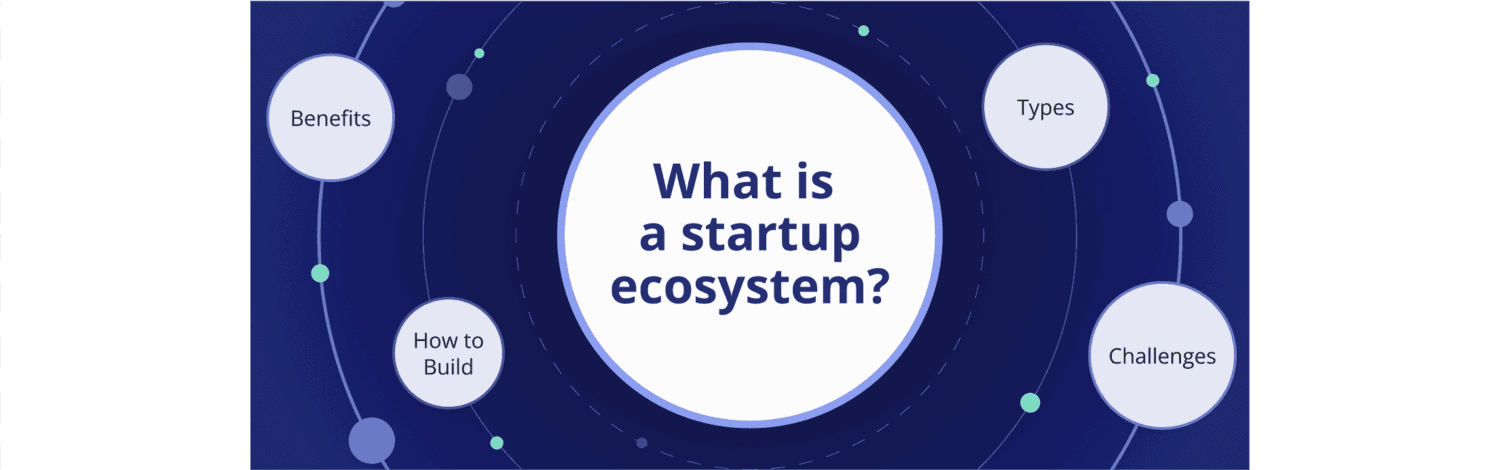
Ein florierendes Startup-Ökosystem ist weit mehr als nur eine Ansammlung junger Unternehmen.Es vernetzt Gründer:innen mit Mentor:innen, Investor:innen mit Ideen und Forschung mit praxisnahen Anwendungen. Die Stärke dieser Netzwerke entscheidet darüber, ob Innovation wächst oder stagniert. Für alle, die Organisationen führen, Gründer:innen unterstützen oder regionale Entwicklung vorantreiben, wird das Verständnis von Funktionsweise und Aufbau solcher Ökosysteme zu einem echten Wettbewerbsvorteil.In diesem Artikel beleuchten wir, wie Startup-Ökosysteme funktionieren, welche Vorteile sie bringen und welche Herausforderungen beim Aufbau oder bei der Weiterentwicklung entstehen.Das Wichtigste auf einen BlickEin Startup-Ökosystem ist ein strukturiertes Netzwerk, das Startups, Investor:innen, Universitäten, Accelerator-Programme, Unterstützungsorganisationen und öffentliche Institutionen zusammenführt, um Innovation zu fördern.Erfolgreiche Ökosysteme vereinen Finanzierungsakteure, Inkubatoren, Forschungspartner, Technologieunternehmen und Networking-Events, die Zusammenarbeit und Sichtbarkeit stärken.Ökosysteme können lokal, branchenspezifisch, global oder virtuell sein – jeweils mit eigenen Chancen und Grenzen.Häufige Herausforderungen sind zergliederte digitale Tools, fehlende Mentorship-Strukturen, regulatorische Hürden und mangelndes Engagement.Eine klare Vision, starke Netzwerke, vielfältige Finanzierungsquellen, Infrastruktur und kontinuierliche Interaktion sind entscheidend für nachhaltige Ökosystem-Entwicklung.Was genau ist ein Startup-Ökosystem?Ein Startup-Ökosystem ist das strukturierte Umfeld, in dem neue Unternehmen entstehen, wachsen und skalieren.Es verbindet Gründer:innen, Business Angels, Acceleratoren, öffentliche Einrichtungen und Arbeitgeber:innen aus dem technologischen Sektor in einem vernetzten System. Durch den Austausch über Networking-Events, digitale Hubs und unterstützende Organisationen erhalten Startups Zugang zu Kapital, Mentorship und Partnerschaften, die sie für ihren Erfolg benötigen.Zentrale Bestandteile eines Startup-ÖkosystemsEin gesundes Startup-Ökosystem lebt davon, dass viele Akteur:innen gemeinsam wirken. Jede Rolle trägt auf ihre Weise zu Finanzierung, Mentoring oder Wachstum bei:Startups selbst: Die zentralen Innovator:innen, die neue Lösungen entwickeln.Investor:innen und Finanzierungspartner:innen: Darunter Business Angels, Venture Capital oder Crowdfunding-Initiativen.Inkubatoren, Accelerator-Programme und Coworking-Spaces: Bieten Infrastruktur, Coaching und Community.Universitäten und Forschungseinrichtungen: Liefern Talente, Wissen und technologische Innovationen.Dezidierte Organisationen und Mentor:innen: Unterstützen mit Training, Business-Know-How und wertvollen Kontakten.Öffentliche Einrichtungen und politische Akteur:innen: Gestalten Rahmenbedingungen, fördern Projekte und bauen regulatorische Hürden ab.Privatwirtschaft und Technologieunternehmen: Öffnen Märkte, schaffen Kooperationen und bringen Skalierungskraft.Networking-Events, digitale Plattformen und soziale Netzwerke: Fördern Austausch, Sichtbarkeit und Wissenstransfer innerhalb der Community.Typen von Startup-ÖkosystemenStartup-Ökosysteme unterscheiden sich nach geografischem Fokus, inhaltlicher Ausrichtung und Struktur ihrer Unterstützungsnetzwerke. Die gängigsten Typen sind:Typ 1: Lokale oder regionale ÖkosystemeStädte- oder regionsbezogen, eng mit der lokalen Wirtschaft verknüpft. Beispiele wie Berlin, Bangalore oder Silicon Valley zeigen, wie Startups durch Nähe zu Talenten, Infrastruktur und innovationsfreundlicher Politik gedeihen.Typ 2: Branchenspezifische ÖkosystemeFokussieren sich auf Nischen wie FinTech, HealthTech oder GreenTech. Sie bauen auf spezialisierte Labore, Forschung und gezielte Förderprogramme, die Wachstum innerhalb der Branche unterstützen.Typ 3: Globale Startup-ÖkosystemeGrenzüberschreitende Netzwerke mit weltweiter Reichweite. Sie verbinden Venture Capital, internationale Startup-Hubs und große Technologieunternehmen, um Startups schnell über Märkte hinweg zu skalieren.Typ 4: Hybride oder virtuelle ÖkosystemeEntstanden im Zuge der Remote-First-Arbeitswelt, basieren sie auf digitalen Plattformen, Online-Communities und virtuellen Networking-Events. So können Startup-Communities unabhängig von Ort und Zeitzone wachsen.Vorteile & Bedeutung von Startup-ÖkosystemenEin starkes Startup-Ökosystem beschleunigt Wachstum, fördert Innovation und verbindet Gründer:innen mit den richtigen Ressourcen. Diese Netzwerke schaffen wirtschaftlichen wie gesellschaftlichen Mehrwert – sie sind zentral für nachhaltiges Unternehmertum, regionale Resilienz und langfristige Innovationsfähigkeit. Außerdem wirken sie als Magnet für Talente und Kapital, schaffen ideale Testfelder und ermöglichen es Startups, schneller zu skalieren als im Alleingang.1. Jobmotor & WirtschaftswachstumStartup-Ökosysteme tragen direkt zur lokalen Wirtschaft bei, indem sie neue Arbeitsplätze und Geschäftsmöglichkeiten schaffen. Sie ziehen Investor:innen an, aktivieren Dienstleister und fördern Ausgründungen aus Forschungseinrichtungen. Städte, die gezielt auf Ökosystementwicklung setzen, verstärken diesen Multiplikatoreffekt und erhöhen die wirtschaftliche Bedeutung ihrer Startup-Szene.2. Zugang zu Kapital & PartnerschaftenDurch die Verbindung von Gründer:innen mit Venture Capital, Business Angels und Acceleratoren eröffnen Ökosysteme den Zugang zu wichtigen Finanzierungsquellen. Das steigert die Überlebenswahrscheinlichkeit junger Unternehmen und ermöglicht Skalierung über den Heimatmarkt hinaus. Erfolgreiche Communities integrieren Finanzierungsmodelle direkt in ihre Netzwerkstrukturen, wie in unserem Guide zum Community-Aufbau beschrieben.3. Wissenstransfer & InnovationMit Hochschulen, Forschungseinrichtungen und Mentor:innen an Bord fördern Ökosysteme Wissensaustausch und Technologie-Transfer, was Produktentwicklung und Markteinführung beschleunigt. Kooperation reduziert Doppelarbeit, steigert Innovationskraft und stärkt Wettbewerbsfähigkeit. Gute Beispiele zeigen, wie gezielte Kommerzialisierungsstrategien Forschungsergebnisse in marktfähige Produkte verwandeln können.4. Stärkere Startup-CommunitiesÜber das reine Business hinaus schaffen Ökosysteme lebendige Communities, die Vertrauen, Austausch und Matchmaking fördern. Regelmäßige Interaktion – ob online oder vor Ort – erhöht die Bindung von Talenten und Gründer:innen. Eine Community-getriebene Entwicklung sorgt dafür, dass Ökosysteme nicht nur wachsen, sondern auch langfristig resilient und engagiert bleiben.Herausforderungen bei Startup-ÖkosystemenEin Startup-Ökosystem bietet enormes Potenzial – doch es steht auch vor Hürden, die Fortschritt und Wachstum bremsen können. Wer diese Herausforderungen versteht, kann das Ecosystem Development gezielt stärken und langfristig resiliente Startup-Communities aufbauen.1. Mangel an Mentoring & FachkräftenEiner der größten Engpässe ist der Mangel an qualifizierten Fachkräften und erfahrenen Mentor:innen. Ohne starke Begleitung wiederholen Startups häufig dieselben Fehler oder scheitern beim Skalieren. Auch eine geringe Diversität in Teams und limitierter Kontakt zu Arbeitgeber:innen aus der Tech-Branche erschweren die Talentgewinnung. Plattformen, die Wissensaustausch und Community-Engagement fördern, können hier eine wichtige Brücke schlagen.2. Regulatorische und politische HürdenKomplexe Vorschriften und langwierige Genehmigungsprozesse bremsen neue Unternehmen oft aus. Startups sind auf Unterstützung durch öffentliche Institutionen und Förderorganisationen angewiesen, doch Bürokratie kostet Zeit. Erfolgreiche Ökosysteme entstehen dort, wo Regulierung und Unternehmergeist zusammenspielen – wie etwa staatliche Innovationsprogramme in Niedersachsen zeigen.3. Begrenzter Zugang zu KapitalViele Startups haben Schwierigkeiten, nach der Seed-Phase weitere Finanzierung zu sichern. Lücken in Investorennetzwerken, eine zu starke Abhängigkeit von einzelnen Geldquellen oder fehlende Förderinstitutionen bremsen Wachstum. Ein funktionierendes Ökosystem muss auf Venture Capital, Business Angels und flexible Finanzierungsmodelle zugreifen können. Digitale Membership-Plattformen können helfen, Gründer:innen direkt mit Investor:innen zu verbinden.4. Digitale Zersplitterung & teure InfrastrukturViele Gründer:innen jonglieren mit unverbundenen Tools, manueller Datenerfassung und kostspieliger IT-Entwicklung. Das hemmt Zusammenarbeit und erhöht die Kosten. Ein zentraler digitaler Hub reduziert Komplexität und schafft eine Grundlage für reibungslosere Prozesse. Integrierte Plattformen ermöglichen es Organisationen, den Fokus wieder auf Wertschöpfung und Nachhaltigkeit zu legen.5. Schwache Vernetzung & geringe SichtbarkeitStartups arbeiten oft isoliert voneinander und verpassen Chancen zur Zusammenarbeit oder Sichtbarkeit. Fehlende Networking-Events oder digitale Austauschformate mindern Innovationskraft und Vertrauen. Starke Communities, die Verbindungen sichtbar machen und Interaktion fördern, stärken die Resilienz des gesamten Ökosystems – denn Sichtbarkeit ist genauso wichtig wie Finanzierung oder Talent.Der Aufbau widerstandsfähiger Ökosysteme beginnt mit der richtigen digitalen Basis. LoftOS hilft, Fragmentierung zu verringern, Akteur:innen zu vernetzen und nachhaltige Zusammenarbeit über Branchen hinweg zu ermöglichen.Wie man ein Startup-Ökosystem aufbaut und wachsen lässtEin erfolgreiches Startup-Ökosystem entsteht nicht zufällig. Es braucht Struktur, Zusammenarbeit und die richtigen Tools. Die folgenden Schritte zeigen, wie sich ein Ökosystem gezielt aufbauen und langfristig stärken lässt – für nachhaltige Ecosystem Development und aktive Startup-Communities.Jeder Schritt zählt: von der klaren Vision bis zur kontinuierlichen Mitgliederbindung. Zusammen schaffen sie ein Umfeld, in dem Startups auf stabiler Basis schnell wachsen.Schritt 1: Definiere Vision & ZieleAm Anfang steht eine klare Vision. Alle Beteiligten – Gründer:innen, Unterstützungsorganisationen, Investor:innen – brauchen eine gemeinsame und messbare Roadmap, um Erwartungen und Ressourcen abzustimmen.Eure Vision sollte regelmäßig überprüft und angepasst werden, um auf Veränderungen zu reagieren. Starke Ökosysteme nutzen diese Klarheit, um Partner anzuziehen und Vertrauen zu schaffen, oft unterstützt durch strukturierte Plattform-Guides, die Strategie und Umsetzung verbinden.Schritt 2: Baue Netzwerke aufBeziehungen sind das Rückgrat jedes Wachstums. Networking-Events, Mentoring-Programme und aktive Online-Communities helfen Startups, Partner:innen, Berater:innen und erste Kund:innen zu finden. Starke Beziehungen fördern die Zusammenarbeit und eröffnen ganz neue Möglichkeiten.Hier machen Plattformen den Unterschied: LoftOS ermöglicht mit Event-, Gruppen- und Chat-Funktionen die Organisation digitaler oder hybrider Meetups, die Verbindungen in Echtzeit stärken. Für Organisationen, die Vertrauen auf Skalierungsebene aufbauen wollen, bieten bewährte B2B-Community-Strategien wertvolle Orientierung.Schritt 3: Schaffe Zugang zu KapitalOhne Finanzierung stagniert Wachstum. Ein starkes Ökosystem bietet daher vielfältige Finanzierungsoptionen von Venture Capital über Business Angels bis hin zu Crowdfunding. Mehr Diversität in der Kapitalstruktur reduziert Abhängigkeiten und erhöht die Überlebenschancen junger Unternehmen.Transparente Prozesse, Pitchdeck-Sharing und direkte Investor:innen-Intro-Formate beschleunigen Wachstum. LoftOS unterstützt diesen Schritt mit Matchmaking- und Funding-Modulen, die Gründer:innen gezielt mit passenden Investor:innen verbinden.Schritt 4: Nutze die Kraft von Wissen & InfrastrukturWissenstransfer und Infrastruktur sind die Treiber von Innovation. Hochschulen und Forschungseinrichtungen bringen Talente und Ideen ein, Technologieunternehmen ermöglichen Pilotprojekte und praxisnahe Anwendungen.Gleichzeitig müssen Ökosysteme der digitalen Zersplitterung entgegenwirken, indem sie auf einer zentralen Plattformen wirken, über die Informationen fließen und Kooperationen koordiniert werden.LoftOS bietet hier flexible Module, um Wissen zu organisieren und Kollaboration effizient zu steuern. Viele Organisationen setzen zusätzlich auf Software für das Verbands-Management, um Mitglieder, Daten und Prozesse zu synchronisieren.Schritt 5: Treibe kontinuierliches Engagement voranEin Ökosystem ist nur so stark wie seine aktive Community. Accelerator-Programme, Inkubatoren und Netzwerk-Manager:innen müssen regelmäßige Beteiligung sicherstellen, um Dynamik zu bewahren. Das heißt: Bindung fördern, Wiederkehr stärken und Wachstum der Startups über alle Entwicklungsphasen hinweg begleiten.Neben Führung und Kultur spielt auch die Technologie eine entscheidende Rolle: LoftOS steigert Engagement mit Event- und Networking-Funktionen, Benachrichtigungen und Analytics, um Aktivität sichtbar zu machen. So lassen sich Daten aus Community-Engagement-Metriken mit einem klaren Engagement-Plan verknüpfen, um lebendige Communities langfristig zu erhalten.Ein florierendes Startup-Ökosystem braucht mehr als nur Kapital und Talent: Es braucht die richtige digitale Infrastruktur. LoftOS vereint Events, Matchmaking, modulare Tools und Community-Features in einer einzigen Plattform und hilft Organisationen, ihre Ökosysteme schneller und effizienter aufzubauen.Beispiel für ein erfolgreiches Startup-ÖkosystemEin herausragendes Beispiel für ein florierendes Startup-Ökosystem ist StAfrica – die deutsch-afrikanische Community, die Startups, KMU und Investor:innen über beide Regionen hinweg vernetzt. Unterstützt vom Bundesministerium für Wirtschaft und Klimaschutz hat sich StAfrica zu einem echten digitalen Hub entwickelt, in dem Kooperation und Geschäftsaustausch täglich stattfinden.Mit LoftOS baute StAfrica eine grenzüberschreitende Community-Plattform, die Mitgliederprofile, Networking-Events und Wissensaustausch vereint und so digitale Fragmentierung reduziert und Verbindungen stärkt. Erfahre in der vollständigen Case Study zur StAfrica Startup Community, wie diese Plattform entstanden ist, und entdecke weitere Beispiele für erfolgreiche Online-Communities, die zeigen, wie starke Startup-Communities aufgebaut werden.Baue dein Startup-Ökosystem mit Innolofts No-Code-PlattformEin erfolgreiches Startup-Ökosystem braucht keine Vielzahl von Tools oder komplizierte Integrationen. Mit Innoloft verwaltest du alles an einem Ort: Events, Mitgliederverzeichnisse, Matchmaking und Community-Management. Unsere No-Code-Plattform LoftOS ist flexibel, anpassbar und skalierbar – ideal für Organisationen, die Wachstum und Zusammenarbeit digital abbilden wollen. Starte noch heute mit dem Aufbau deines eigenen Ökosystems und erkunde LoftOS oder tauche tiefer in unsere Community-Management-Lösungen ein.
Best Practice
5 Softwares & Tools für Wirtschaftsförderung 2026
Die digitale Transformation macht auch vor der Wirtschaftsförderung nicht Halt. Wer seine Region, Organisation oder Programme erfolgreich voranbringen will, braucht mehr als nur gute Ideen – die richtigen digitalen Werkzeuge entscheiden oft über Stillstand oder spürbaren Fortschritt.Die besten Lösungen helfen, Projekte transparent zu steuern, Daten zentral auszuwerten und alle relevanten Stakeholder aktiv einzubinden, ohne dass Teams in manuellen Prozessen untergehen. In diesem Beitrag vergleichen wir Innolofts LoftOS mit vier weiteren Tools und zeigen, welche Kriterien bei der Auswahl wirklich zählen. Außerdem erfährst du, auf welche Funktionen du bei der Investition besonderen Wert legen solltest.Das Wichtigste auf einen BlickInnoloft: Ideal für Behörden und Wirtschaftsförderer, die eine zentrale Plattform für Stakeholder-Management, Datenanalyse und Projektsteuerung suchen.Funktionsschwerpunkte: Tools sollten Big Data integrieren, Unternehmensregistrierungen effizient abbilden und tiefe Analysen ermöglichen.Erfolgskriterium: Wähle eine Plattform, die zu den Arbeitsabläufen deines Teams passt und die wirtschaftlichen Ziele deiner Region unterstützt.1. Innoloft: Die All-in-One-Lösung für WirtschaftsförderungInnoloft richtet sich an Organisationen, die Stakeholder-Management, Datenintelligenz und öffentlich zugängliche Portale in einem zentralen Hub vereinen wollen. Durch die flexible No-Code-Plattform lassen sich Services digitalisieren, Programme umsetzen und Kommunikation steuern, ganz ohne tiefe IT-Kenntnisse. Ob Kennzahlen zur regionalen Entwicklung, Veranstaltungen oder Community-Aktivitäten: Innoloft bringt alles unter ein Dach.Key FeaturesEigene ModuleMit LoftOS können Organisationen ihre Datenstrukturen und Workflows selbst gestalten, etwa als Verzeichnisse für Startups, Investoren oder Partner. Filter, Attribute und Zugriffsrechte lassen sich frei definieren, sodass Daten jederzeit zielgerichtet gesammelt, strukturiert und geteilt werden können.Event-ManagementOb Konferenz, Workshop oder hybride Netzwerkveranstaltung: Das Event-Modul deckt alles ab. Neben Ticketing (inklusive Stripe-Anbindung) bietet es QR-Check-ins, individuelle Agenden und integrierte Videokonferenzen. Wer die Vernetzung intensivieren will, setzt auf Matchmaking oder Speed-Dating-Formate.PipelinesFörderanträge, Projektfreigaben oder Programm-Monitoring lassen sich mit visuellen Pipelines abbilden. Dank Kanban-Boards und Automatisierungen bleiben Abläufe transparent, strukturiert und nachvollziehbar – externe Projektmanagement-Tools werden damit oft überflüssig.PreiseLoftOS bietet flexible Pläne für Teams jeder Größe und Bedürfnisse:Free – Bis zu 5 Nutzer:innen und 2 Admins, unbegrenzte Besucher:innen, Kernfunktionen und Self-Service-SetupStarter ($29/Monat) – Für kleine Teams bis 25 Nutzer:innen, inklusive Ticket- & E-Mail-SupportTeam ($349/Monat) – Bis zu 250 Nutzer:innen, inklusive Onboarding, anpassbarer Domain und 3 AdminsProfessional ($849/Monat) – Bis zu 1.000 Nutzer:innen, mit Analytics, Exportfunktionen, Rollen & Paketen sowie mehrsprachigem SupportEnterprise (Auf Anfrage) – Ab 5.000 Nutzer:innen, alle Features, volles White-Label und unbegrenzte AdminsDen kompletten Plan-Überblick findest du auf unserer Website.Vorteile von InnoloftStakeholder-Engagement: Entwickelt, um Startups, Unternehmen, Investoren und öffentliche Einrichtungen auf einer Plattform zu verbindenFlexibilität: Anpassbare Module ermöglichen es Organisationen, die Plattform an regionale Anforderungen auszurichtenIntegrierte Tools: Events, Matchmaking und Reporting sind bereits enthalten, zusätzliche Software ist nicht notwendigNachteile von InnoloftGIS & Datenanalyse: LoftOS ist kein GIS-System und bietet keine tiefe räumliche Analyse. Für Standortauswahl sind externe Tools erforderlichEinrichtung: Die Flexibilität setzt voraus, dass Prozesse und Anwendungsfälle von Beginn an klar definiert sindKundenstimmen„Die Flexibilität und Anpassungsfähigkeit der Plattform. Die schnelle Reaktionszeit unseres CSM [sensible Inhalt verborgen]. Dass wir unsere eigenen Module und Programme – und mittlerweile sogar eigene Kategorien – erstellen können. ” - Capterra Review„Ich liebe die Möglichkeit, Funktionen einfach anzupassen und die Offenheit der Plattform, um sie auf den eigenen Anwendungsfall zuzuschneiden. Das Unternehmen kümmert sich um seine Kunden und hört auf neue Ideen oder Anforderungen, die zukünftig umgesetzt werden. Sollte es einen Bug geben, repariert das Team ihn schnell.“ - Capterra ReviewFür wen Innoloft am besten geeignet istWirtschaftsförderungen, die ihre Stakeholder-Programme, Netzwerke und Projekte in einem zentralen System steuern möchten.Cluster und Innovationshubs, die Events, Matchmaking und Partnerverzeichnisse kombinieren wollen.Öffentliche Förderprogramme, die Startups, Gründer:innen und regionale Wachstumsinitiativen gezielt unterstützen und deren Wirkung messbar machen wollen2. Qwally: Unternehmenssichtbarkeit und lokale WachstumshilfeQwally adressiert eine der größten Herausforderungen für Wirtschaftsförderungsteams: den mangelnden Überblick über die Unternehmen in ihrer Region. Die Plattform unterstützt Behörden dabei, alle Betriebe – von kleinen, häuslich geführten Firmen bis hin zu etablierten Arbeitgebern – sichtbar zu machen, nachzuverfolgen und aktiv einzubinden. Ziel ist es, Geschäftsdaten vollständig, nutzbar und über Abteilungen hinweg verknüpft bereitzustellen.Key FeaturesIdentifizieren
Alle Unternehmen in einer Region erfassen (einschließlich nicht registrierter oder von zu Hause aus geführter Betriebe), um ein vollständiges Bild der lokalen Wirtschaft zu erhalten.Verbinden
Unternehmen mit lokalen, staatlichen oder bundesweiten Ressourcen sowie mit Partnerprogrammen in der Community vernetzen, um Zugang zu Wachstumschancen zu schaffen.Wachsen
Onboarding, Kommunikation und Ressourcennutzung für Unternehmer automatisieren und so die Verwaltungsarbeit für Mitarbeitende reduzieren.PreiseQwally veröffentlicht keine festen Preise. Interessierte Organisationen müssen eine Demo vereinbaren, um ein individuelles Angebot zu erhalten.Vorteile von QwallyLokales Unternehmens-Mapping: Starke Erfassung auch solcher Betriebe, die in klassischen Datenbanken oft fehlen.Fokus auf Chancengleichheit: Hilft Behörden, sicherzustellen, dass benachteiligte Gruppen nicht übersehen werden.Praxisnahe Outreach-Tools: Echtzeitdaten ermöglichen zielgerichtete und skalierbare Ansprache.Nachteile von QwallyBegrenzter Fokus: Konzentration liegt primär auf Unternehmenssichtbarkeit und Outreach, weniger auf umfassenden Funktionen wie Eventmanagement oder Matchmaking.Integrationsbedarf: Für Analysen, Programm-Tracking oder Stakeholder-Kollaboration sind zusätzliche Tools nötig.Für wen Qwally am besten geeignet istStädte und Landkreise, die ein besseres Verständnis ihrer lokalen Unternehmenslandschaft entwickeln wollen.Wirtschaftsförderungsgesellschaften, die ihre Ansprache modernisieren und wachstumsorientierte Strategien mit Fokus auf Gleichberechtigung aufbauen möchten.Politik- und Programmteams, die nutzbare Unternehmensdaten für gezielte Förderprogramme benötigen.3. CivicServe: Umfassende Plattform für Compliance und ZusammenarbeitCivicServe versteht sich als All-in-One-System für die Verwaltung komplexer Wirtschaftsförderungsprogramme. Die Plattform hilft Behörden, Daten zentral zu bündeln, Compliance sicherzustellen und die Zusammenarbeit über Abteilungen und externe Partner hinweg zu vereinfachen. Automatisierung und Transparenz stehen im Mittelpunkt, sodass Projekte, Förderprogramme und Immobilien mit deutlich weniger manuellen Prozessen gemanagt werden können.Key FeaturesWirtschaftsförderungsmanagement
Mehrbehörden-Architektur für Zusammenarbeit, Integration von GIS-Daten, rollenbasierte Zugriffsrechte sowie Vorlagenbibliotheken für Formulare und Prozesse.CRM (Customer Relationship Management)
Öffentliche Portale, interne und externe Kommunikationstools, E-Mail-Versand mit individuellen Tags und Historienverfolgung für Unternehmen und Einzelpersonen.Projekt- und Lead-Management
Projektmanagement über den gesamten Lebenszyklus, automatische Erinnerungen, Compliance-Checks und konfigurierbare Dashboards für Berichte.PreiseCivicServe veröffentlicht keine Preise. Interessierte Organisationen müssen eine Demo anfordern, um ein maßgeschneidertes Angebot zu erhalten.Vorteile von CivicServeCompliance & Transparenz: Starke Werkzeuge zur Einhaltung staatlicher und bundesweiter Vorgaben bei Förder- und Investitionsprogrammen.Datenzentralisierung: Konsolidiert Informationen aus Abteilungen, Behörden und Stakeholdern.Spezialisierte Module: Deckt spezifische Bereiche wie Immobilienverwaltung und Fördermittel-Tracking ab.Nachteile von CivicServeKomplexität: Die Funktionsvielfalt kann für kleinere Teams mit einfacheren Anforderungen überwältigend wirken.Moderne Engagement-Features: Weniger Fokus auf Community-Building-Elemente wie Events oder Networking im Vergleich zu Plattformen wie LoftOS.Für wen CivicServe am besten geeignet istLandes- und Regionalbehörden, die robustes Compliance-Management und abteilungsübergreifende Koordination benötigen.EDOs mit Förderprogrammen, die Anreizprogramme effizient nachverfolgen und reporten wollen.Infrastruktur- & Immobilienteams, die regionale Assets für Investoren und Entwickler präsentieren möchten.4. UrbanLogiq: Intelligente Wirtschafts- und Verkehrsdaten-InsightsUrbanLogiq ist eine Datenanalyseplattform, die Regierungen und Wirtschaftsförderungsorganisationen dabei unterstützt, fragmentierte Daten in nutzbare Erkenntnisse zu verwandeln. Durch die Kombination von räumlichen Daten, Wirtschaftsindikatoren und alternativen Datenquellen erhalten Gemeinden eine einheitliche Sicht auf lokale Trends – eine Grundlage für smartere Planung und fundierte Entscheidungen.Key FeaturesMonitoring von Geschäftsstraßen
Integration und Visualisierung von Daten zu Unternehmen, Leerständen und Demografie. Bietet individuelle räumliche Analysen, automatisiertes Monitoring der Wirtschaftsleistung in Stadtvierteln sowie Einzelhandels-Trendberichte, die sich teilen lassen.Standortauswahl und -analyse
Zugriff auf öffentliche und private Datensätze zu Flächennutzung, Unternehmen und Immobilienverfügbarkeit. Unterstützt Parzellenfilterung, Leerstandsanalyse und detaillierte Standortstatistiken für Planung und Investitionen.Explore Mode
Ein Data-Discovery-Tool, mit dem sich verschiedene Datensätze verknüpfen, Korrelationen analysieren und neue Erkenntnisse gewinnen lassen. Ziel ist es, den ROI bestehender Dateninvestitionen zu maximieren.PreiseUrbanLogiq veröffentlicht keine konkreten Preise. Laut offizieller Seite basiert das Modell auf Abonnements, genaue Kosten gibt es jedoch nur auf Anfrage über eine Demo.Vorteile von UrbanLogiqDatenintegration: Starke Fähigkeit, isolierte öffentliche und private Datenquellen in einer zentralen Ansicht zusammenzuführen.Use Cases in der Wirtschaftsförderung: Besonders geeignet für Monitoring von Geschäftsvierteln, Flächennutzungsanalysen und Investitionsplanung.Verkehrsanalysen: Bietet einzigartigen Mehrwert für Städte, die Verkehrsdaten und Mobilitätsanalysen benötigen.Automatisierung: Vorkonfigurierte Workflows und Berichte reduzieren manuellen Aufwand erheblich.Nachteile von UrbanLogiqEinarbeitung: Die fortgeschrittenen Analysetools können für Nutzer ohne technisches Vorwissen komplex wirken.Preistransparenz: Fehlende öffentliche Preisangaben können kleinere Organisationen abschrecken.Engagement-Features: Fokus liegt stark auf Daten-Insights, weniger auf interaktiven Community-Building-Tools.Für wen UrbanLogiq am besten geeignet istStadt- und Regionalplaner, die einheitliche Dateneinblicke für Flächennutzung, Mobilität und Wachstumsplanung benötigen.Wirtschaftsförderungsbüros, die Geschäftsviertel monitoren und Standortentscheidungen datenbasiert unterstützen wollen.Verkehrsbehörden mit Fokus auf Verkehrssteuerung, Mobilitätsplanung und Ingenieursleistungen.Behörden-Teams, die Datensilos abbauen und Reporting-Prozesse automatisieren möchten.5. Arcadier: Marketplace-Plattform für regionale ProgrammeArcadier ist eine Marktplatz-Plattform, die Behörden nutzen können, um lokale Angebote sichtbar zu machen, Händler einzubinden und Transaktionen zu ermöglichen. Sie eignet sich besonders für Programme, die digitale Hubs mit Listings, Discovery-Funktionen und Händler-Onboarding betreiben wollen – parallel zu größeren öffentlichen Portalen und Stakeholder-Initiativen.Key FeaturesInteraktive Suche & Auffindbarkeit
Kartenbasierte Darstellung lokaler Boutiquen, Services, Restaurants und Events, die Besucher:innen und Käufer:innen einen besseren Zugang zu Angeboten verschafft.B2B Connection Builder
Ermöglicht direkte Partner-zu-Partner-Verbindungen und Zusammenarbeit – inklusive Supplier-Matchmaking im transaktionalen Kontext.Datengetriebene Insights
Analysen der Marktplatz-Aktivitäten liefern Berichte für Outreach, Programmentwicklung und Umsatztracking.PreiseArcadier bietet zwei Hauptoptionen:$1.500/Monat (12-Monats-Vertrag, keine Einrichtungsgebühr): Enthält geführtes Onboarding, White-Label-Hosting, Zugang zu einer Lösungsvorlage, Live-Setup, bis zu 300 Händler und 3.000 Listings sowie Standard-E-Mail-Support.$2.500/Monat (24-Monats-Vertrag + $5.000 Einrichtungsgebühr): Enthält Self-Hosting, vollständigen API-Zugang für individuelle Features und Integrationen, volle Kontrolle über das Frontend, Sandbox & Live-Umgebungen, unbegrenzte Händler und Listings sowie erweiterten technischen Support.Vorteile von ArcadierTransaktionale Hubs: Starke Lösung für Marktplatz-Szenarien mit Listings, Warenkorb und Zahlungen.Flexibilität: API-Zugang und Templates bieten Erweiterungsmöglichkeiten und Integrationen für CRM oder Analytics.Tourismus & Angebote: Besonders nützlich für Programme, die Besucherwirtschaft fördern und shoppable Angebote schaffen wollen.Nachteile von ArcadierWFG-Workflows: Nicht speziell für Förderprogramme, Business Retention & Expansion oder Genehmigungsprozesse gebaut.Community Engagement: Weniger stark bei Events, Foren oder Stakeholder-Kollaboration als Ökosystem-Plattformen.Datentiefe: Keine native Big-Data- oder Planungsanalytik – hier sind externe Systeme erforderlich.Für wen Arcadier am besten geeignet istTourismusverbände & Stadtprogramme, die für lokale Händler ein transaktionales Portal aufbauen wollen.Handelskammern & regionale Projekte, die Umsätze und Sichtbarkeit mit einem Marktplatz kombinieren möchten.Behörden mit Pilotprojekten, die eine Commerce-Komponente ergänzend zu öffentlichen Portalen und Outreach-Programmen testen wollen.So wählst du die richtige Wirtschaftsförderungs-SoftwareDie Wahl der passenden Plattform beginnt mit einem klaren Blick auf die eigenen Ziele und Herausforderungen. Wichtig ist ein System, das sich an eure Abläufe anpasst, zentrale Daten integriert und komplexe Prozesse vereinfacht. Die beste Lösung verbindet Benutzerfreundlichkeit mit der nötigen Funktionsvielfalt, um nachhaltiges Wachstum und bessere Entscheidungen zu ermöglichen.Faktor 1: Datenbasierte EntscheidungsfindungHandlungsrelevante Insights sind entscheidend. Innoloft bietet leistungsstarke Dashboards, die Block-Level-Daten und Demografie integrieren. Mit Filtern für Hocharmutsgebiete oder Postleitzahlen können Ressourcen gezielt eingesetzt werden. Visualisierungen sind bei Innoloft direkt integriert – ohne zusätzliche Tools.Entdecke unsere Economic-Development-Vorlage und starte jetzt kostenlos.Faktor 2: Schlankere öffentliche ServicesVon Genehmigungsprozessen bis zu Unternehmensregistrierungen: Mit Innoloft lassen sich Workflows konfigurieren, die Flaschenhälse abbauen. Das sorgt für mehr Transparenz und kürzere Bearbeitungszeiten – ein Plus für Bürger:innen und Unternehmen. Und das Beste: Bei Innoloft dauert die Einrichtung Tage, nicht Monate.Faktor 3: Stakeholder-Engagement-ToolsInnoloft unterstützt Events, Networking und Kollaboration über integrierte Event- und Kommunikationsmodule. So bleiben Unternehmen, Politik und Community in Verbindung – und du kannst die Wirkung anhand von Engagement-Metriken messbar machen.Mit Innoloft echte Wirkung erzielenWirtschaftliches Wachstum braucht mehr als eine Strategie – es braucht Werkzeuge, die in der Praxis funktionieren. Innoloft gibt dir die Möglichkeit, Initiativen zu planen, umzusetzen und nachzuverfolgen, während alle Stakeholder eingebunden bleiben.Ob du ein regionales Wirtschaftszentrum revitalisieren, neue Arbeitsmarktprogramme starten oder öffentliche Services verbessern möchtest, Innoloft liefert die Struktur und die Insights, um Projekte voranzubringen.Und das Beste: Mit der sofort einsatzbereiten Economic-Development-Vorlage erstellst du in wenigen Tagen ein öffentliches Portal mit Dashboards, Serviceanträgen und Engagement-Tools. Ganz ohne Programmierung. Schau selbst, wie Innoloft Mehrwert für dich schafft.
Best Practice
Die 9 besten No-Code App-Builder für Non-Techies 2026
Die Wahl des richtigen No-Code App-Builders hängt stark davon ab, was du eigentlich bauen willst, wie schnell es gehen muss und welches Know-how in deinem Team steckt. 2026 reicht die Bandbreite von Tools, die simple interne Dashboards ermöglichen, bis hin zu Plattformen, mit denen du komplette Communities aufbauen kannst.Klar, die Auswahl wirkt schnell überwältigend und es ist, als würdest du Äpfel, Birnen und Software vergleichen, von denen du vielleicht noch nie gehört hast. Deshalb haben wir für dich den Markt durchforstet und die Spreu vom Weizen getrennt.In diesem Guide findest du die spannendsten Optionen für unterschiedliche Anwendungsfälle. So kannst du ohne Umwege die passende Plattform für dein Projekt finden. Ob du ein schnelles internes Portal brauchst, komplexe Unternehmens-Workflows abbilden willst oder ein SaaS-MVP für Investor:innen entwickeln möchtest – hier ist auf jeden Fall etwas für dich dabei.Die wichtigsten Erkenntnisse auf einen BlickLoftOS – Am besten für Organisationen, die Community-Plattformen, Marktplätze oder Matching-Portale ohne Tech-Teams aufbauen wollen.Softr – Ideal für KMU und Startups, die schnell und einfach Apps oder Portale aus Airtable oder Google Sheets erstellen möchten.Bubble – Perfekt für Gründer:innen, die hochgradig anpassbare Apps mit komplexer Logik benötigen.Retool – Die beste Wahl für interne Tools und Dashboards, wenn Datenintegration an erster Stelle steht.Innoloft: Der beste No-Code App-BuilderLoftOS ist eine flexible und leistungsstarke No-Code-Plattform, die für Organisationen gedacht ist, die mehr wollen als nur eine einfache App. Sie vereint Community-Aufbau, Matching, Event-Management und Content-Sharing in einem einzigen System. Dabei liegt der Fokus auf Teams ohne technische Vorkenntnisse: LoftOS beseitigt IT-Engpässe und gibt dir gleichzeitig alle Werkzeuge an die Hand, um komplexe Plattformen zu starten, zu verwalten und zu skalieren. Besonders hervorstechend sind die schnelle Einrichtung, der exzellente Kundensupport und die Möglichkeit, mehrere Tools durch eine einzige integrierte Lösung zu ersetzen – das spart Zeit, senkt Kosten und steigert die Beteiligung deiner Nutzer:innen.Key FeaturesLoftOS kombiniert die Flexibilität einer leistungsstarken No-Code-Plattform mit Funktionen, die sonst nur in Enterprise-Systemen zu finden sind. Du kannst Plattformen bauen, die über einfache Apps hinausgehen, individuelle Funktionen, Automatisierungen und Engagement-Tools in einem System vereinen. Drei Highlights machen LoftOS besonders:Stand Out Feature 1: Eigene ModuleMit den Custom Modules kannst du maßgeschneiderte Datenbanken und Layouts erstellen – ganz ohne Code. Du definierst Attribute, steuerst Filter, verwaltest Zugriffe und verbindest externe Tools über Webhooks oder RSS-Feeds. So entstehen einzigartige Module, die genau auf deinen Anwendungsfall passen. Ob Partnerverzeichnis, Ressourcenbibliothek oder individueller Projekttracker – alles ohne eine einzige Zeile Code.Stand Out Feature 2: EventsDas Events-Modul deckt Online-, Offline- und Hybrid-Events von A bis Z ab. Von Ticketing über Stripe Connect und QR-Check-ins bis zu individuell anpassbaren Agenden, Pre-Registration-Fragen und integrierter Videokonferenz – alles ist inklusive. Sogar Networking-Formate wie Speed-Dating oder Matchmaking für mehr Teilnehmer:innen-Engagement lassen sich direkt integrieren.Stand Out Feature 3: PipelinesPipelines bieten dir eine visuelle Möglichkeit, Workflows zu steuern und Prozesse zu automatisieren. Verknüpfe Profile, Bewerbungen oder Events mit Kanban-Karten und bewege sie durch verschiedene Phasen – mit klarer Statusübersicht. Automatisierungen lösen Updates oder Datenübertragungen aus und halten deine Abläufe organisiert, ohne dass zusätzliche Tools nötig sind.PreiseLoftOS bietet flexible Pläne für Teams jeder Größe und Bedürfnisse:LoftOS Free (Kostenlos): Zum Testen und Kennenlernen von LoftOS. Beinhaltet 5 Nutzer, 2 Admins, unbegrenzte Besucher und Kernfunktionen.Starter (25 €/Monat): Für eine geringe Nutzeranzahl und minimalen Supportbedarf. Beinhaltet bis zu 25 Nutzer, 2 Admins sowie Ticket- und E-Mail-Unterstützung.Team (299 €/Monat): Basis-Funktionen, persönliche Betreuung und eine moderate Anzahl an Nutzern. Beinhaltet bis zu 250 Nutzer, 3 Admins, Onboarding durch einen Customer Success Manager und eine anpassbare Domain.Professional (799 €/Monat): Erweiterte Funktionalität, Customer Success Services und eine größere Nutzeranzahl. Beinhaltet bis zu 1.000 Nutzer, 10 Admins, Analytics, Exporte sowie fortlaufende Services durch einen zugewiesenen Customer Success Manager.Enterprise (Individuell): Erweiterte Customer Success Services und eine hohe Nutzeranzahl. Beinhaltet eine individuelle Nutzerzahl, unbegrenzte Admins, alle Funktionen, individuelles White-Labeling und Add-ons.Den kompletten Plan-Überblick findest du auf unserer Website.Vorteile von InnoloftLoftOS wurde für Non-Techies entwickelt. Es gibt Teams ohne Coding-Erfahrung die Möglichkeit, komplexe Plattformen schnell zu erstellen. Das bedeutet: schnellere MVPs, kürzere Projektlaufzeiten und niedrigere Personalkosten im Vergleich zu klassischen IT-Builds. Gleichzeitig ist die Plattform flexibel genug für fast jeden Anwendungsfall – von regionalen Behördenportalen und Forschungs-Hubs an Universitäten bis hin zu internen Tools und B2B-Marktplätzen.Nachteile von InnoloftLernkurve für Flexibilität: Die große Funktionsvielfalt erfordert manchmal geführte Unterstützung bei Einrichtung und OnboardingKeine Einzweck-App: Wenn du nur eine simple, statische Website brauchst, ist LoftOS vielleicht „overkill"Enterprise-Features: Einige erweiterte Funktionen sind nur in den höherpreisigen Plänen verfügbarKundenstimmen„Die Flexibilität und Anpassungsfähigkeit der Plattform. Die schnelle Reaktionszeit unseres CSM [sensible Inhalt verborgen]. Dass wir unsere eigenen Module und Programme – und mittlerweile sogar eigene Kategorien – erstellen können. ” - Capterra Review„Ich liebe die Möglichkeit, Funktionen einfach anzupassen und die Offenheit der Plattform, um sie auf den eigenen Anwendungsfall zuzuschneiden. Das Unternehmen kümmert sich um seine Kunden und hört auf neue Ideen oder Anforderungen, die zukünftig umgesetzt werden. Sollte es einen Bug geben, repariert das Team ihn schnell.“ - Capterra ReviewFür wen Innoloft am besten geeignet istLoftOS passt perfekt zu Organisationen, die skalierbare Plattformen ohne Coding schnell, flexibel und für komplexe Anwendungsfälle bereitstellen möchten. Ideal für Teams, die mehrere Funktionen – wie Events, Matching und Content-Sharing – an einem Ort kombinieren müssen. Außerdem eignet sich LoftOS für alle, die verstreute Tools durch eine einzige integrierte Lösung ersetzen wollen, um Zeit zu sparen und die Komplexität zu reduzieren.2. Softr – Perfekt, wenn du von Tabellen startestSoftr ist ein unkomplizierter No-Code App-Builder für Teams, die von Tabellen oder kleinen Datenbanken starten. Die Plattform bietet eine saubere Drag-and-Drop-Oberfläche und unterstützt beliebte Datenquellen wie Airtable, Google Sheets und Notion. Softr wird oft gewählt, um schnell Portale, Dashboards oder andere einfache Apps zu erstellen – mit einem professionellen, webfertigen Look.Key FeaturesBlöcke und Layouts: Vorgefertigte Bausteine wie Listen, Tabellen, Charts und Formulare ermöglichen es, professionelle Portale, CRMs oder Ressourcenverzeichnisse zu bauen, ganz ohne DesignkenntnisseZugriffskontrolle: Du legst Nutzerrollen und Berechtigungen fest, sodass Kundenbereiche, Intranets oder Projektspaces sicher verwaltet werdenAutomatisierungen & Zahlungen: Workflows für Benachrichtigungen oder Genehmigungen lassen sich automatisieren. Stripe-Integration ermöglicht kostenpflichtige Mitgliedschaften oder EventbuchungenPreiseFree – 1 veröffentlichte App, 10 App-NutzerBasic (49 $/Monat) – 3 veröffentlichte Apps, 20 App-NutzerProfessional (139 $/Monat) – Unbegrenzte Apps, 100 App-NutzerBusiness (269 $/Monat) – Unbegrenzte Apps, 2.500 App-NutzerEnterprise (individuell) –SSO, dedizierter Kundensupport Den vollständigen Plan-Überblick findest du auf der Softr-Preisseite.Vorteile von SoftrSchnell zum Ergebnis: Teams ohne Technik-Kenntnisse können in nur einem Nachmittag ein funktionierendes Portal startenIntegrationen: Direkte Airtable- und Google-Sheets-Syncs sorgen dafür, dass Daten automatisch aktualisiert werden – kein manuelles Kopieren nötigTemplates: Vorgefertigte Designs für CRMs, Marktplätze oder Verzeichnisse helfen beim schnellen Start und lassen sich an individuelle Bedürfnisse anpassenNachteile von SoftrKomplexe Logik: Multi-Step-Workflows und individuelle Regeln sind eingeschränktSkalierbarkeit: Große Datensätze laden eventuell langsamer, besonders bei öffentlich zugänglichen AppsErweiterte Features: Tiefergehende Analysen oder stark individualisierte UI-Elemente erfordern andere Tools oder Custom CodeKundenstimmen„Softr ist echt der einzige Website-Baukasten, der für die meisten Funktionen kostenlos ist und SUPER einfach zu bedienen.“ – Capterra Review„Ich mag die No-Code App-Entwicklung. Es ist einfach zu bedienen und bietet großartige Features für die App-Entwicklung.“ – Capterra ReviewFür wen Softr am besten geeignet istKleine bis mittelgroße Unternehmen und Teams, die Tabellen in funktionale, kundenorientierte Portale oder interne Tools verwandeln möchten in nur wenigen Tagen und ohne steile Lernkurve.3. Adalo – Ideal für Mobile-First-AppsAdalo konzentriert sich auf kundenorientierte mobile Apps, unterstützt aber auch die Veröffentlichung im Web. Mit dem visuellen Builder kannst du einmal designen und dann direkt auf iOS, Android und im Web veröffentlichen. Adalo eignet sich besonders für MVPs, E-Commerce-Apps und Community-Apps, die ein natives Mobile-Erlebnis erfordern.Key FeaturesVisueller Builder: Ziehe Komponenten per Drag & Drop, verknüpfe Screens und definiere User-Flows, um Apps für Buchungen, Social Networking oder Produktverkauf zu erstellenDatenoptionen: Nutze Adalos integrierte Datenbank oder verbinde Airtable, Xano oder APIs, um Live-Daten einzubindenPublishing: Veröffentliche direkt in den App-Stores oder auf einer eigenen Domain – volle Kontrolle über den Nutzerzugang inklusivePreiseFree – Unbegrenzte Screens, nur zum TestenStarter (36 $/Monat) – 1 veröffentlichte App, eigene DomainProfessional (52 $/Monat) – 2 veröffentlichte Apps, Geolocation-FunktionenTeam (160 $/Monat) – 5 veröffentlichte Apps, Xano-IntegrationBusiness (200 $/Monat) – 10 veröffentlichte Apps, Add-On-Preise Den vollständigen Plan-Überblick findest du auf der Adalo-Preisseite-Vorteile von AdaloMobile First: Optimiert für native Mobile-Erfahrungen mit flüssiger PerformanceComponent Marketplace: Füge Chat, Karten oder Payment-Funktionen hinzu, ohne alles selbst bauen zu müssenOne-Click Publishing: Bereitet Apps automatisch für mehrere Stores vor und spart ZeitNachteile von AdaloKomplexe Apps: Eingeschränkt für Apps mit fortgeschrittener Automatisierung oder AnalyticsDatenlimits: Begrenzung von Records und Hintergrundaufgaben in den unteren PlänenSkalierbarkeit: Multi-Tenant- oder Enterprise-Apps stoßen schnell an die PlattformgrenzenKundenstimmen„Es ist ziemlich schnell und einfach, eine App zu bauen. Der Editor ist intuitiv, und der Build-Prozess gut automatisiert.“ – Capterra Review„Die Drag-and-Drop-Funktion ist besonders praktisch und leicht anzuwenden. Man kann problemlos Layouts und Strukturen ausprobieren, bis alles passt.“ – Capterra ReviewFür wen Adalo am besten geeignet istGründer:innen, Startups und kleine Teams, die günstig und schnell Mobile- oder Hybrid-Apps auf den Markt bringen wollen, mit der Möglichkeit, aus einer einzigen App-Version direkt mehrere Plattformen zu bedienen.4. Bubble – Ideal für komplexe, individuelle Web-AppsBubble ist eine leistungsstarke No-Code-Plattform, um vollständig individuelle Web-Apps zu erstellen. Sie bietet tiefgehende Workflows, responsive Designs und ein großes Plugin-Ökosystem. Bubble wird häufig für Marktplätze, SaaS-Produkte und CRMs genutzt, die einzigartige Logik und skalierbare Infrastruktur benötigen.Key FeaturesVisuelle Workflows: Baue bedingte Logik, Trigger und Multi-Step-Prozesse für Onboarding, Checkout-Erlebnisse oder Admin-DashboardsDatenbank & Hosting: Speichere, durchsuchen und verwalte komplexe Datenstrukturen – Hosting ist inklusiveErweiterbarkeit: Verbinde externe Systeme, integriere Payment-Lösungen oder AI-Funktionen über APIs und PluginsPreiseFree – Nur Development-VersionStarter (59 $/Monat) – Live-App, eigene DomainGrowth (209 $/Monat) – 2 App-Editoren, VersionierungTeam ($549 $/Monat) – Sub-Apps, 5 EditorsEnterprise (individuell) – Sicherheits- und SkalierungsfeaturesDetaillierte Limits und Pläne findest du auf der Bubble-Preisseite.Vorteile von BubbleIndividuelle Logik: Perfekt für Apps, bei denen Workflows ein Wettbewerbsvorteil sindEcosystem: Tausende Plugins – von Video-Streaming bis CRM-ToolsSkalierbarkeit: Bewältigt Wachstum von MVP bis zum ausgereiften ProduktNachteile von BubbleLernkurve: Erfordert Zeit, bis Non-Techies die Plattform meisternPerformance-Tuning: Große Apps brauchen Optimierung für GeschwindigkeitMobile: Native App-Publikation erfordert zusätzliche SchritteKundenstimmen„Einfach zu nutzen und Apps zu deployen. Guter Design-Editor für responsive Seiten. Frontend- und Backend-Funktionen inklusive. Leicht in REST-APIs integrierbar. Riesiges Plugin-Ökosystem.“ – Capterra Review„Man kann viel ohne Code machen. Module sind übersichtlich, Design komplett kontrollierbar. Sehr flexibel.“ – Capterra ReviewFür wen Bubble am besten geeignet istProduktteams und Gründer:innen, die differenzierte Web-Apps, SaaS-Plattformen oder Marktplätze bauen wollen, die maßgeschneiderte Logik, Flexibilität und Skalierbarkeit benötigen.5. Retool – Ideal für interne Tools und EntwicklerteamsRetool kombiniert einen visuellen Editor mit flexibler Code-Integration und ist daher besonders bei Entwicklerteams beliebt, die sichere, datengetriebene interne Tools bauen wollen. Die Plattform integriert sich in Datenbanken, APIs und Services und unterstützt rollenbasierte Zugriffe sowie Unternehmens-Governance.Key FeaturesVorgefertigte Komponenten: Nutze fertige Tabellen, Formulare und Charts, um Dashboards, Admin-Panels oder Customer-Support-Tools schnell zusammenzustellenDaten-Connectoren: Verbinde SQL-, NoSQL-, REST- oder GraphQL-Quellen, um operative Daten in Echtzeit einzubindenWorkflows & Versionierung: Automatisiere Aufgaben wie Reports oder Alerts, verwalte Releases über Git und kontrolliere Zugriffe mit RBACPreiseFree – Bis zu 5 Nutzer:innen, 500 Workflow-RunsTeam ($10/User/Monat + $5/Enduser/Monat) – Staging-Umgebungen, Release-VersionenBusiness ($50/User/Monat + $15/Enduser/Monat) – Audit-Logs, erweiterte Berechtigungen, PortaleEnterprise (individuell) – SSO, Source Control, dedizierter SupportAlle Details findest du auf der Retool-Preisseite.Vorteile von RetoolInterne Tools: Ideal für operative Software, bei der Geschwindigkeit und Datenintegrität entscheidend sindKonnektivität: Breite Unterstützung von Datenbanken und APIs reduziert IntegrationsaufwandGovernance: Eingebaute Compliance- und Audit-Funktionen helfen, Branchenstandards zu erfüllenNachteile von RetoolZielgruppe: Erfordert technisches Know-how, um den vollen Nutzen zu ziehenÖffentliche Apps: Nicht geeignet für kundenorientierte AnwendungenDesign: Weniger Kontrolle für pixelgenaue LayoutsKundenstimmen„Alles. Ständig neue Features, AI-Support ist super, Integrationen Weltklasse. Neue Integrationen lassen sich leicht hinzufügen, und Webinare & Materialien helfen, immer auf dem neuesten Stand zu bleiben. Eingebettete Apps ermöglichen es, neue Features im Beta-Modus zu testen, Nutzerverhalten zu beobachten und schnell anzupassen.“ – Capterra Review„Einfach zu bedienen, niedrige Einstiegshürde, aber erweiterbar mit Python und/oder JavaScript. Integrationen sind umfangreich, und das wachsende Community-Forum ist ein nützlicher Ort für Hilfe und Inspiration.“ – Capterra ReviewFür wen Retool am besten geeignet istEngineering-orientierte Teams und Organisationen, die schnell sichere, integrierte interne Tools bauen und verwalten wollen – mit voller Kontrolle über Datenquellen und Workflows.6. Kissflow – Perfekt für Enterprise-ProzessautomatisierungKissflow ist eine Low-Code-Plattform, die speziell für Enterprise-Prozessautomatisierung und individuelle App-Entwicklung entwickelt wurde. Sie schließt die Lücke zwischen IT-Teams und Prozessverantwortlichen, sodass beide gemeinsam Apps bauen können, die Tabellen und manuelle Workflows ersetzen.Key FeaturesProcess Builder: Drag-and-Drop-Visualisierung für Geschäftsprozesse wie Beschaffungsfreigaben oder HR-OnboardingWorkflow-Orchestrierung: Kombiniere strukturierte und unstrukturierte Workflows für komplexe AutomatisierungenDecision Tables: Definiere und automatisiere komplexe Geschäftslogik ohne CodingApp Builder: Erstelle vollständig angepasste Apps mit individuellem UI-DesignGovernance-Modul: Berechtigungen verwalten, Standards durchsetzen und Compliance sicherstellenAI-Unterstützung: Formulare, Code-Snippets und Integrations-Mappings automatisch generierenExterne Portale: Apps für Lieferanten, Partner oder Kund:innen erweiternPreiseBasic (ab2,500 $/Monat) – Unbegrenzte Workflows, Integrationen, Projektboards, Seiten und Dashboards für bis zu 50 Nutzer:innenEnterprise (individuell) – Zusätzlich AI-Features, Governance, intelligente Dokumentenverarbeitung und externe PortaleAlle Details findest du auf der Kissflow-Preisseite.Vorteile von KissflowEnterprise-Readiness: Skalierbar für globale Unternehmen mit starker Governance und ComplianceEinheitliche Plattform: Vereint Prozessautomatisierung, App-Entwicklung und Case ManagementCitizen Development: Ermöglicht nicht-technischen Nutzer:innen, Apps mit minimaler IT-Unterstützung zu erstellenNachteile von KissflowPreis: Einstiegspreise sind für kleine Teams relativ hochLernkurve: Für die volle Nutzung der Funktionen ist Training empfehlenswertKundenstimmen„Das Beste an Kissflow ist die No-Code-Workflow-Automatisierung. Sie macht Prozessautomatisierung für Non-Techies zugänglich und ermöglicht Workflows einfach per Drag & Drop zu bauen und zu verwalten.“ – Capterra Review„Die Benutzeroberfläche ist großartig, die Performance überzeugt. Workflow-Management ist sehr einfach. Eine echte No-Code-Plattform.“ – Capterra ReviewFür wen Kissflow am besten geeignet istGroße Unternehmen mit mehreren Abteilungen, die sowohl IT-gesteuerte als auch Citizen-Development-Lösungen für automatisierte Prozesse und governance-konforme, skalierbare Apps benötigen.7. Quixy – Ideal für No-Code Business Process ManagementQuixy ist eine Cloud-basierte BPM- und App-Entwicklungsplattform, die es Business User ermöglicht, Workflows zu automatisieren und Enterprise-Anwendungen ohne Code zu erstellen.Key FeaturesVisueller App Builder: Drag-and-Drop-Oberfläche zum Erstellen komplexer Unternehmens-AppsForm Builder: Smarte Formulare mit Validierungen, bedingter Logik und verschiedenen Eingabetypen gestaltenWorkflow-Automatisierung: Geschäftsprozesse modellieren und automatisieren mit Regeln, Genehmigungen und AlertsReporting & Analytics: KPIs überwachen, Engpässe erkennen und Prozesse optimierenIntegrationen: Nahtlose Anbindung an Drittanbietersysteme für DatenflussDokumentengenerierung: Verträge, Reports oder Rechnungen automatisch aus Daten erstellenMehrsprachigkeit: Apps für eine globale Nutzerbasis zugänglich machenPreiseSolution: Ideal für viele Nutzer:innen, aber wenig Apps (Preis auf Anfrage)Platform: Ideal für viele Apps und Workflows (Preis auf Anfrage)Enterprise: Für Organisationen, die erweiterte Governance und Skalierbarkeit benötigen (Preis auf Anfrage)Alle Details findest du auf der Quixy-Preisseite.Vorteile von QuixySpeed: Apps lassen sich 10x schneller erstellen als mit traditioneller EntwicklungFlexibilität: Vielfältige Einsatzmöglichkeiten – von HR bis Supply ChainGoverned Citizen Development: Sicheres Umfeld für Nicht-Entwickler:innen, um Innovationen umzusetzenNachteile von QuixyPreistransparenz: Alle Pläne nur auf AnfrageErweiterte Anpassungen: Einige Anpassungen erfordern technisches Know-howKundenstimmen„Integration aller Prozesse in einem Unternehmen ist essenziell. Mit Quixy gefällt mir besonders der transparente Datenzugriff über Abteilungen hinweg. Reports, die die wichtigsten Kennzahlen zusammenfassen, lassen sich leicht konfigurieren und einsehen. Datenzugriff, Review und Sharing – alles unter einem Dach, kinderleicht.” – Capterra Review„Quixy hat Funktionen, die wir auf keiner anderen Plattform gefunden haben. Besonders beeindruckt haben mich Geschwindigkeit, Benutzerfreundlichkeit und der Support. Innerhalb von 12 Tagen konnten wir unser Procurement Management System bauen. Quixy ist so flexibel, dass wir die App jederzeit an geänderte Prozesse anpassen konnten.“ – Capterra ReviewFür wen Quixy am besten geeignet istUnternehmen, die App-Entwicklung dezentralisieren und Geschäftsteams ermöglichen wollen, eigene Lösungen zu erstellen bei gleichzeitiger IT-Kontrolle.8. Unqork – Ideal für großangelegte, codefreie Enterprise-AppsUnqork ist eine Zero-Code Enterprise App Cloud, entwickelt für mission-critical Apps in Branchen wie Finanzen, Healthcare und öffentliche Dienste.Key FeaturesVisuelle Entwicklung: Drag-and-Drop-Oberfläche mit wiederverwendbaren KomponentenIntegration Gateway: Anbindung an über 700 externe SystemeSicherheit & Compliance: Enterprise-Level-Verschlüsselung und Einhaltung von Standards wie FATCA, CRS und EMIRApplication Lifecycle Management: Versionierung, Multi-Region-Deployment und Umgebung-OptimierungMarketplace: Vorgefertigte Apps, Templates und IntegrationenAI-Integration: KI-gestützte Automatisierung und Analytics hinzufügenPreiseIndividuell – Maßgeschneiderte Preise je nach Organisationsgröße. Für ein persönliches Angebot wende dich direkt an Unqork.Vorteile von UnqorkEnterprise-Skalierung: Bewältigt stark regulierte, komplexe AnwendungenTiefe Integration: Funktioniert mit einer Vielzahl von Legacy- und modernen SystemenSecurity-first-Design: Entspricht strengen Compliance-Standards der BrancheNachteile von UnqorkKosten: Premium-Preise, die eher für Enterprise-Budgets passenKomplexität: Konzipiert für große Teams mit strukturierten ImplementierungsplänenKundenstimmen„Die Drag-and-Drop- und Integrationstools sind leicht verständlich und schnell einsatzbereit. Wir konnten mehrere Projekte innerhalb weniger Tage starten, und je mehr Nutzer:innen sich einarbeiten, desto schneller entstehen sogar sehr einfache Apps in Stunden.“ – Capterra reviewFür wen Unqork am besten geeignet istUnternehmen in regulierten Branchen, die sichere, skalierbare Anwendungen ohne Code bauen wollen, inklusive umfangreicher Integrationsmöglichkeiten.9. Zoho Creator – Ideal für anpassbare Business-Apps in allen BranchenZoho Creator ist eine Low-Code App-Development-Plattform, die Unternehmen ermöglicht, Web- und Mobile-Apps genau auf ihre Abläufe zuzuschneiden.Key FeaturesDrag-and-Drop-Oberfläche: Formulare, Reports und Dashboards visuell erstellenVorgefertigte Templates: Fertige Vorlagen für einen schnellen StartWorkflows & Automatisierung: Prozesse mit einem visuellen Workflow-Builder optimierenIntegrationen: Anbindung an Zoho Suite sowie externe Tools wie Google Workspace oder SalesforceSicherheit: Rollenbasierte Zugriffskontrolle, Verschlüsselung, Audit-LogsMobile App Entwicklung: Native iOS- und Android-Apps bauenAI Features: Sentiment-Analyse und PrognosefelderErweiterte Anpassungen: Deluge-Scripting für komplexe LogikPreiseStandard (8 $/User/Monat) – 1 App, 90 Automatisierungszeitpläne, 5 Datenquellen.Professional (20 $/User/Monat) – Unbegrenzte Apps, 300 Automatisierungszeitpläne, 15 Datenquellen.Enterprise (25 $/User/Monat) – Unbegrenzte Apps, 600 Automatisierungszeitpläne, 30 Datenquellen sowie benutzerdefinierte Domain und App.Details zu allen Plänen findest du auf der Zoho Creator-Preisseite.Vorteile von Zoho CreatorPreis-Leistung: Wettbewerbsfähige Kosten für KMUs und größere UnternehmenAnpassbarkeit: Flexibel genug für einfache wie komplexe AppsIntegration-ready: Funktioniert nahtlos mit Business-Suites und externen APIsNachteile von Zoho CreatorLernkurve: Fortgeschrittene Funktionen erfordern Kenntnisse in Deluge-ScriptingPerformance: Große Datensätze können die Ladezeiten beeinflussenKundenstimmen„Ich kann Leads viel besser verwalten. Leads aus Lead-Formularen, Website und E-Mails fließen direkt in Zoho Creator – das hilft enorm beim Lead-Management.“ – Capterra Review„Am meisten gefällt mir, dass man Custom-Apps erstellen kann, ohne Code zu kennen. Die Apps für Kampagnen und Lead-Tracking sind besonders nützlich im Marketing.“ – Capterra ReviewFür wen Zoho Creator am besten geeignet istUnternehmen jeder Größe, die eine kostengünstige, flexible Plattform suchen, um maßgeschneiderte Web- und Mobile-Apps zu bauen mit der Option, später auf komplexe Automatisierungen zu skalieren.So findest du den besten No-Code App-BuilderDie Wahl der passenden No-Code-Plattform beginnt mit klaren Prioritäten: Datenhoheit, Lernkurve und zukünftige Compliance sollten vor Features oder Preisvergleichen stehen.Lege die Basis für deine DatenJede App lebt oder stirbt mit ihren Daten. Entscheide frühzeitig, ob deine Informationen in Tabellen, einer Cloud-Datenbank oder über ein ERP-API liegen sollen. Gute App-Builder sollten sauber auf diese Quellen zugreifen, historische Daten verlustfrei importieren und es Non-Techies später ermöglichen, Schemas anzupassen. Wenn das Frontend-Erlebnis besonders wichtig ist, lohnt sich ein Blick in unseren Guide zu Design ohne Code, um zu sehen, wie visuelle Schichten auf bestehenden Datenquellen liegen können, ohne Migrationen zu blockieren.Finde das richtige Verhältnis zwischen Geschwindigkeit und RessourcenZeit ist oft teurer als Lizenzgebühren. Leichte No-Code-Plattformen versprechen Launches in wenigen Stunden, doch komplexere Logik erfordert das Meistern von Workflows, Bedingungslogik und Sicherheitsregeln. Überlege, wie viele Stunden dein Team realistisch für Einarbeitung, Dokumentation und Support investieren kann. Ein Build-vs-Buy-Check hilft dabei, versteckte Wartungskosten, fehlende Skills und den Break-even nach dem ersten Jahr einzuschätzen.Plane für Wachstum und ComplianceMit steigender Nutzung kommen Integrationen, Rollen und Audits – für instabile Tools schnell ein Problem. Wähle eine Plattform mit Versionierung, granularen Berechtigungen und regionsbasiertem Hosting, bevor die Regulatorik drängt. Reife visuelle Entwicklungsplattformen bieten APIs, exportierbaren Code und CI/CD-Integration, damit IT-Teams nie eingeschränkt sind. Enterprise-Features kosten zwar mehr, ersparen aber später teure Plattformwechsel. LoftOS zum Beispiel ermöglicht Admins, Module zu erweitern, ohne Code zu forken – Updates bleiben auch bei wachsender Nutzung und Datenvolumen einfach.Baue individuelle Apps, ohne eine einzige Zeile Code zu schreibenVergiss monatelange Backlogs und starte ein gebrandetes Portal in Tagen.LoftOS lässt dich Module für Community, Events oder Matchmaking per Drag & Drop platzieren, dein Logo hinzufügen und live gehen – ohne steile Lernkurve und ohne versteckte Wartung.Die modulare Bibliothek wächst mit dir: Zahlungen aktivieren, Rollen automatisieren, CRM-Daten verbinden, wann immer du bereit bist. Unternehmen aus allen Branchen – von Forschung bis hin zu regionalen Behörden – setzen bereits auf LoftOS, um Mitglieder zu binden und Workflows am Laufen zu halten. Bereit, es in Aktion zu sehen? Entdecke unsere Templates.
